
Quo Vadis, or where are we going with sustainable development? (Fourth part) (English version at the end of this article)
Viziunea verde a prins contur în timpul Războiului Rece, pe măsură ce blocurile occidental și estic concurau pentru controlul și influența asupra națiunilor și mișcărilor de eliberare din Africa de Sud. Născută în mare parte din ideile lui Julian Huxley, viziunea s-a oferit ca o alternativă la ideologiile cărora el s-a opus, comunismul și național-socialismul. Dar, după cum vom vedea, ceea ce ar fi trebuit să fie „alternativa bună” va sfârși prin teroare și războaiele purtate împotriva vieții sălbatice. Altfel spus, viziunea născută din frica de comunism devine fantomatică.
Numele de cod militar secret britanic: Operațiunea Lock
După cum au observat cercetătorii Bram Büscher și Maano Ramutsindela, așa-zisul război împotriva comunismului din Africa de Sud a arătat unele legături cu conservarea naturii, precum și cu aristocrația britanică și olandeză prin intermediul Fondului Mondial pentru Natură (WWF):
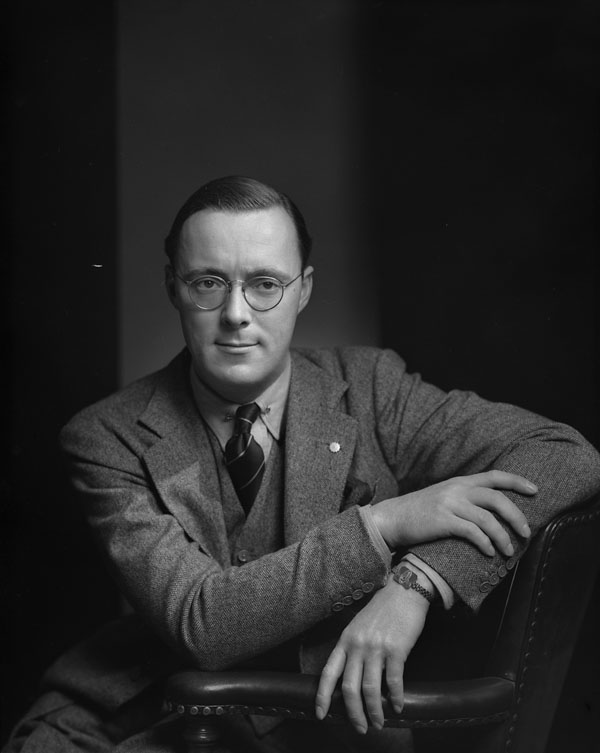
„În anii ’80, măsurile anti-braconaj au adus în atenția opiniei publice relația dintre organizațiile de conservare și agenții și militarizarea din regiune, concentrându-se pe Operațiunea Lock – un nume de cod pentru operațiunile sub acoperire ale unei companii militare private britanice, KAS Enterprise. Prințul Bernhard al Olandei, primul președinte al Fondului Mondial pentru Natură (WWF) Internațional, și John Hanks au jucat un rol esențial în organizarea Operațiunii Lock. Activitățile KAS au fost finanțate din bani privați canalizați prin intermediul Fundației pentru Natură din Africa de Sud, o filială locală a WWF [și o posibilă legătură cu magnatul afacerilor africane Anton Rupert, al cărui fondator era, vom adăuga]. Folosindu-și baza din suburbia Hatfield (Pretoria), Operațiunea Lock a adunat informații în timp ce antrena, echipa și lucra cu unitățile anti-braconaj ale agențiilor de conservare din Africa de Sud, în efortul de a combate comerțul ilegal cu fildeș și coarne de rinocer” (Bram Büscher și Maano Ramutsindela, Green violence, 2015, p. 5).
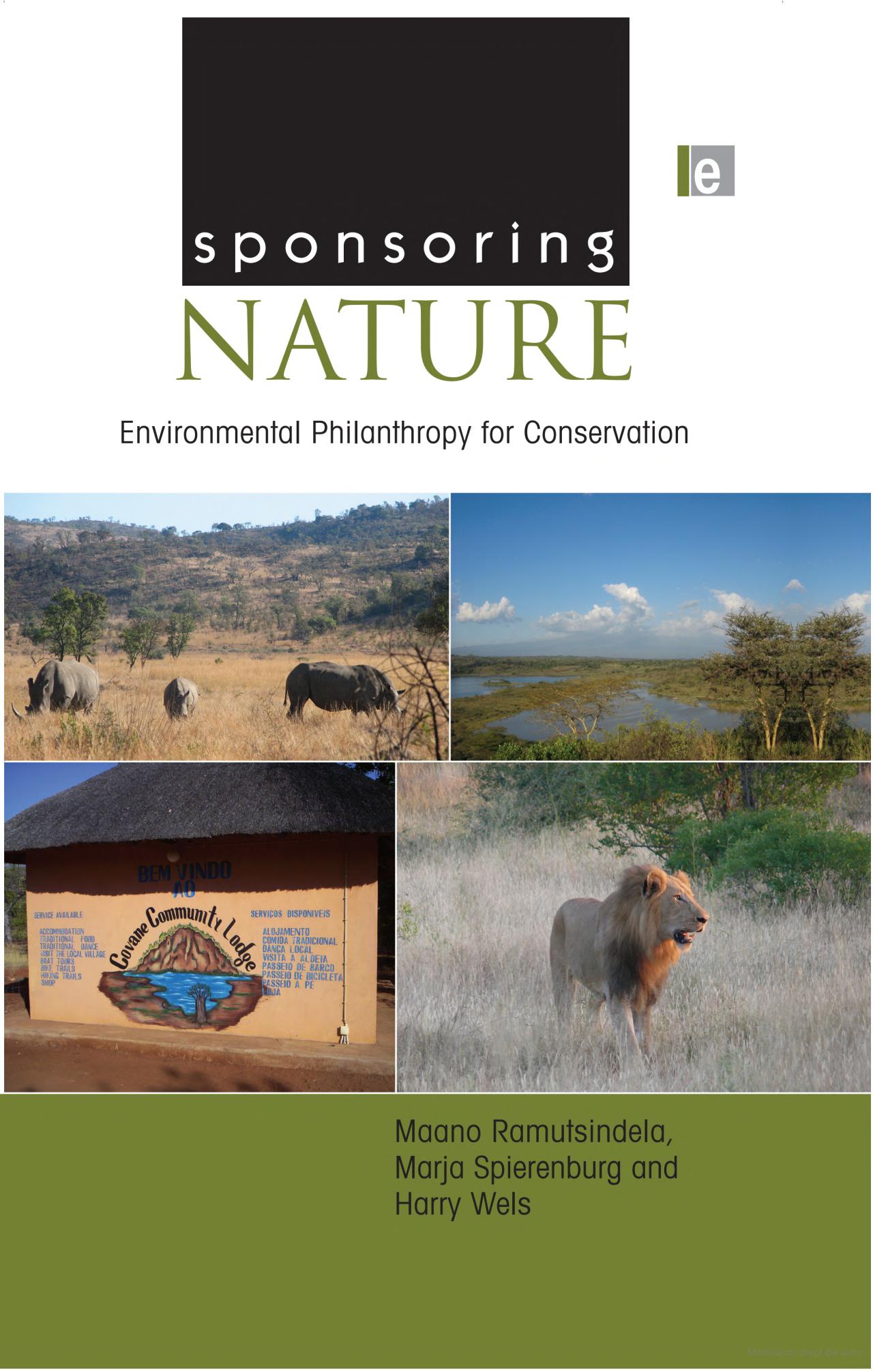
Ei bine, toate aceste schimbări majore în metodele de guvernare ale societății, chiar pornind de la una tribală, au făcut tranziția de la un guvern centralizat și birocratic la o guvernare globală și au creat un stat policentric în întreaga lume, în care seturi de relații între sectoarele public, privat și voluntar au restructurat sfera publică (apud. Morgan, 2007; Ball, 2008; Maano Ramutsindela, Sponsoring nature: The state and governance issues, 2011, p. 11).
Războiul Rece a fost pretextul folosit de elită pentru atingerea acestui obiectiv, iar măsurile anti-braconaj utilizate în Africa de Sud, precum și mișcările de eliberare ale albilor, au oferit un motiv aparent rațional pentru militarizarea zonei:
„Considerăm legăturile dintre conservarea naturii și agenda anticomunistă din Africa de Sud ca fiind ceva ce nu a fost integrat în entuziasmul inițial pentru conservarea naturii în regiune. Mai curând, legăturile au apărut ulterior din nevoia de a preveni răspândirea comunismului în regiune” (Ibid., Sponsoring nature: ‘Good Science’ or ‘Conspiracy Theories’, 2011, pp. 49-50).
„În mod semnificativ, războiul împotriva comunismului, răspândirea regională a eforturilor de conservare și implicarea grupurilor de conservare în acest război au împletit braconajul cu luptele de eliberare, rangerii confundând adesea armatele de eliberare cu braconierii pentru a menține zonele de conservare ca teritorii ale albilor. De exemplu, să-l luăm pe celebrul conservator Nick Steele, care a colaborat „cu tot felul de organizații legate de securitate și cu persoane cu aceleași interese orientate spre securitate, din interiorul și din afara Africii de Sud, care au folosit cu toții discursul despre necesitatea conservării și protejării în stil militar a faunei sălbatice din Africa, în special a rinocerului și a elefanților”.
Pe scurt, politica Războiului Rece a creat condiții pentru militarizarea regiunii, deoarece blocurile occidental și estic concurau pentru controlul și influența asupra națiunilor și mișcărilor de eliberare din Africa de Sud. În același timp, a existat o militarizare sporită a conservării, prin Operațiunea Lock și alte inițiative. În Africa de Sud post-apartheid, braconajul de rinoceri oferă justificarea militarizării conservării” (Bram Büscher și Maano Ramutsindela, Green violence, 2015, pp. 5-6).
Cine ar fi fost mai potrivit să îndeplinească această misiune și sarcină dacă nu Nick Steele, un conservator al naturii și anticomunist cu pregătire militară și un prieten apropiat al lui Ian Player?
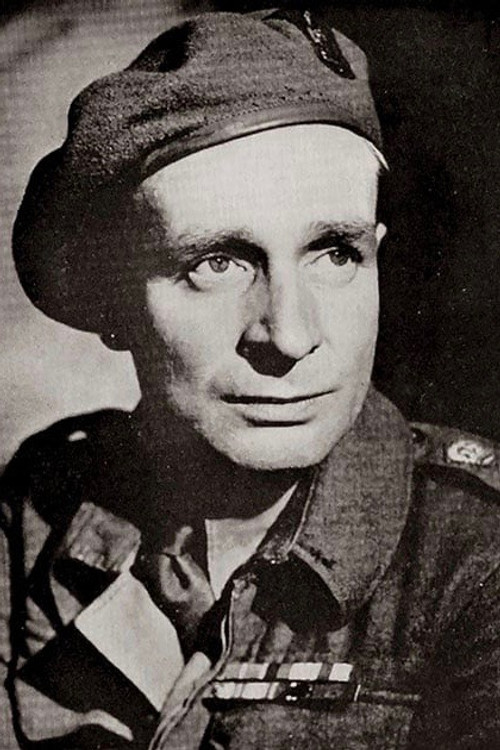
„Ca gardian junior la Rezervația de Vânătoare Hluhluwe, Steele a fost antrenat și îndrumat de Norman Deane, un om cu un stil foarte militar” (Steele, 1992). „În jurnalul său personal, din 1966, Steele se gândea deja la un cântec de război potrivit pentru a-i ține în marș pe soldații de conservare, rangerii și pe cercetașii vânatului:
Înainte, soldați conservatori
Mărșăluind ca spre război
Cu Crucea Conservării
Mergând înainte” (Maano Ramutsindela, Sponsoring nature, p. 54).
Crucea Verde pentru Cruciada Verde?! Nu a fost mai puțin important pentru mișcarea de conservare faptul că atât Nicholas Arthur Steele, cât și Sir Laurens van der Post, aveau experiență militară. Alături de prietenii lor conservatori, discursul verde ecologist a fost construit în jurul conceptului de „războaie pentru fauna sălbatică”. Însă militarizarea verde duce la violența verde. Ceea ce inițial începuse doar ca războaie pentru fauna sălbatică se termină ca războaie purtate împotriva vieții sălbatice în general.
Programul de destabilizare al Africii de Sud
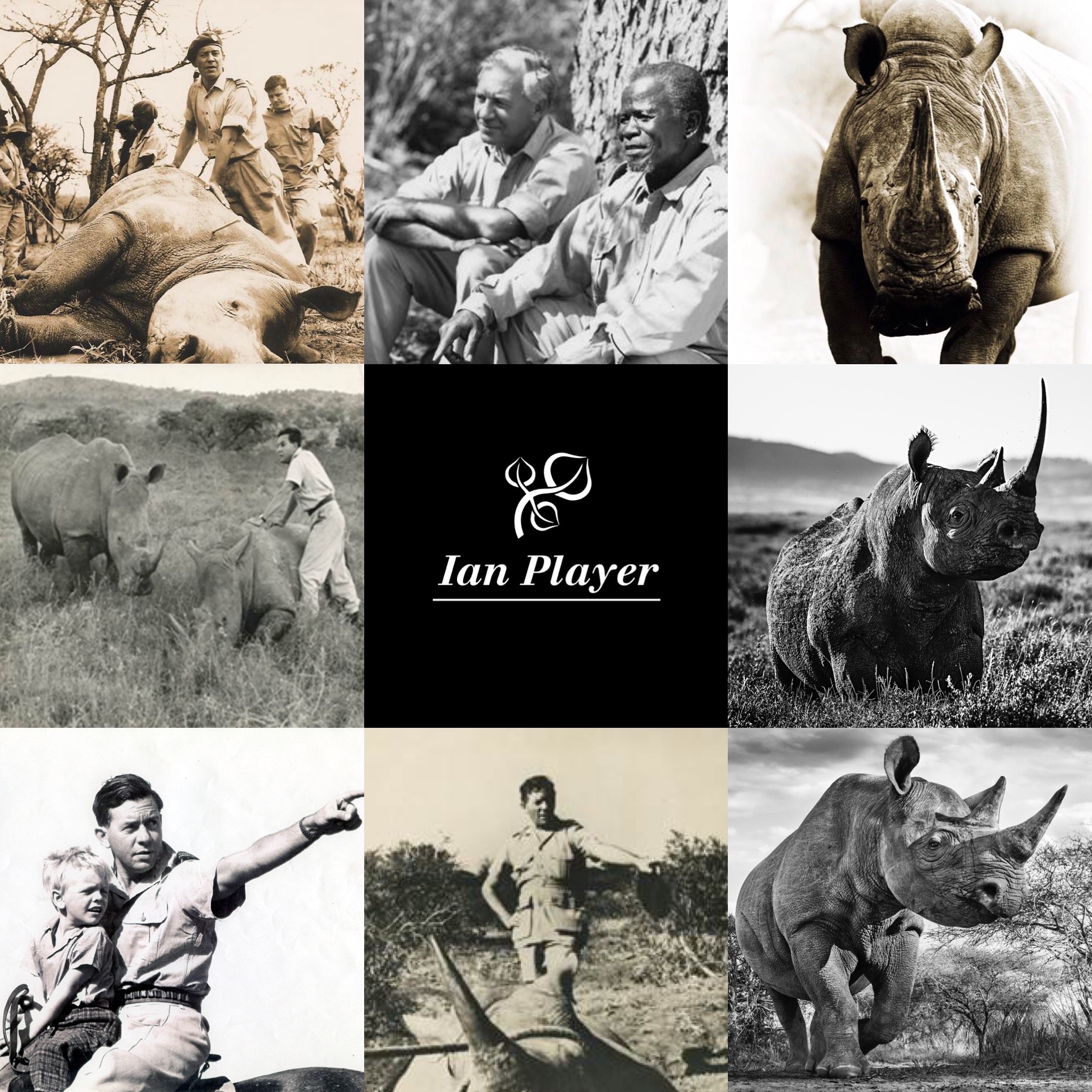
Operațiunea Rhino a fost punctul de plecare al „războaielor pentru fauna sălbatică”. Ne amintim că toate acestea au început cu eforturile notabile de conservare ale lui Ian Player și ale mentorului său Zulu, Magqubu Ntombela, pentru a salva rinocerul alb de la dispariție în anii ’60, în timpul guvernului apartheid (vezi Wikipedia, WILD Foundation. De asemenea, IWLFs Newsletter, The Leaf: Wilderness Leadership School, pp. 1, 7).
Salvarea rinocerului alb a determinat mai apoi forțele armate sud-africane și mercenarii britanici să-și dea mâna într-un efort aparent de a combate braconajul prin Operațiunea Lock. Cu toate acestea, salvarea faunei sălbatice rămâne doar un ideal declarat pentru ecologiști. De vreme ce, în realitate, serviciile militare de apărare și informații din Africa de Sud, precum și cele britanice, care trebuiau să combată braconajul, au fost puternic implicate în contrabanda cu fildeș și coarne de rinocer între anii ’70 și ’80 ducând la destabilizarea regiunii:
„Înainte de această operațiune, statul apartheid oferea sprijin militar «forțelor insurecționale antiguvernamentale, și anume, pentru Uniao Nacional para a Independência Total de Angola (UNITA) în Angola și Resistência Nacional Moçambicana (RENAMO)» în Mozambic, ca parte a strategiei Africii de Sud de a destabiliza regiunea. În urma acestei strategii, Divizia de Informații Militare Sud-Africană a fost implicată în contrabanda cu fildeș și coarne de rinocer pentru a sprijini operațiunile UNITA. Implicarea Forțelor de Apărare Sud-Africane (SADF) în acest comerț ilicit «a fost sancționată de generalul Magnus Malan, la acea vreme comandantul șef al SADF». Membrii Diviziei de Informații Militare au fost, de asemenea, implicați în Operațiunea Lock” (Bram Büscher și Maano Ramutsindela, Green violence, 2015, p. 5).
Frama, o companie-paravan înființată de Forțele de Apărare din Africa de Sud (SADF) în anii ’80, a fost găsită vinovată de implicarea în braconajul la scară largă de fildeș și coarne de rinocer de către judecătorul Kumleben:
„Una dintre primele inițiative pe care Nelson Mandela le-a luat când a devenit primul președinte ales democratic al Africii de Sud a fost aceea de a solicita unei comisii, în octombrie 1994, «să ancheteze presupusa contrabandă cu fildeș și coarne de rinocer, în special de origine angoleză și mozambicană, către și prin Africa de Sud» (Beame, 2010). Comisia a fost condusă de judecătorul Kumleben, de la care comisia și-a derivat numele. Ancheta a fost alimentată în mare măsură de acuzațiile conform cărora Forțele de Apărare Sud-Africane (SADF) ar fi fost implicate în braconajul la scară largă de fildeș și coarne de rinocer. Comisia Kumleben a putut verifica aceste acuzații și a concluzionat, printre altele, că:
- «SADF a fost implicată direct în comerțul cu fildeș și probabil cu coarne de rinocer de la mijlocul anului 1978 până la începutul anului 1980.
- În 1980, SADF a înființat o companie-paravan numită Frama, care s-a ocupat de contrabanda cu fildeș și, fără îndoială, cu coarne de rinocer din Angola în Africa de Sud până în jurul anului 1986. SADF s-a asigurat că vehiculele Frama nu au fost percheziționate în călătoria lor prin Namibia către Africa de Sud. SADF a continuat să transporte fildeș pe calea aerului către Africa de Sud în această perioadă.
- Divizia de Informații Militare a fost responsabilă pentru activitățile menționate mai sus»” (apud. Cock, 1998; în Maano Ramutsindela, Sponsoring nature, 2011, pp. 51-52).
Ne întrebăm aici dacă Frama a fost singura companie-paravan folosită în contrabanda cu fildeș și coarne de rinocer, dacă nu au existat alte cluburi sau organizații legate de aceasta. Care a fost miza reală în afara câștigului financiar din acest joc murdar?
„Cu alte cuvinte, armata a fost responsabilă pentru distrugerea nesăbuită a mediului în regiunea Africii de Sud (vezi și Ellis, 1994). A fost tolerată deoarece se potrivea foarte bine cu politicile de destabilizare ale Africii de Sud față de statele sale vecine, deoarece «braconajul și anti-braconajul au format elemente centrale în programul de destabilizare al Africii de Sud» (Duffy, 2000). WWF, în care Prințul Bernhard și Anton Rupert au fost puternic implicați, a fost, de asemenea, implicat în această configurație particulară prin Operațiunea Lock, pe care am descris-o pe larg și contextualizat-o politic în altă parte (Spierenburg și Wels, 2010). Această operațiune anti-braconaj, prin angajarea de mercenari britanici pentru a se infiltra în rețelele de fildeș și coarne de rinocer, părea să fi devenit parte integrantă a operațiunilor de contrainsurgență ale apartheidului în regiune” (Ibid., vezi «Știința bună» sau «Teorii ale conspirației», în Sponsoring nature, §Capitolul 3. Conexiunile Sud-Nord: Teoriile sistemelor mondiale și rețelele de elită, 2011, pp. 51-52).
Fundația Parcurile Păcii (PPF, 1997)
Conservarea naturii a fost mereu parte integrantă a agendelor politice ale elitei. Acesta a fost și cazul ONG-ului transfrontalier pentru conservare, Peace Parks Foundation (PPF). Înființată în 1997 de Prințul Bernhard al Olandei și magnatul afacerilor african Anton Rupert, PPF a fost concepută sub forma unei suprastructuri internaționale care ar fi trebuit să găsească o soluție globală la criza regională a braconajului de rinoceri din Africa de Sud:
„Cu un fler pentru branding și marketing, Anton Rupert, împreună cu rețeaua de contacte la nivel mondial a Prințului Bernhard, a înființat PPF în 1997, avându-l ca patron pe Nelson Mandela. Lansarea oficială a avut loc la Palatul Soestdijk din Olanda. Rețelele de elită din lupta anti-apartheid și vechile rețele de afaceri din vremea apartheidului s-au reunit în suprastructura PPF, principala instituție de promovare și executivă a conservării transfrontaliere în Africa de Sud” (Maano Ramutsindela, Sponsoring nature, p. 50).
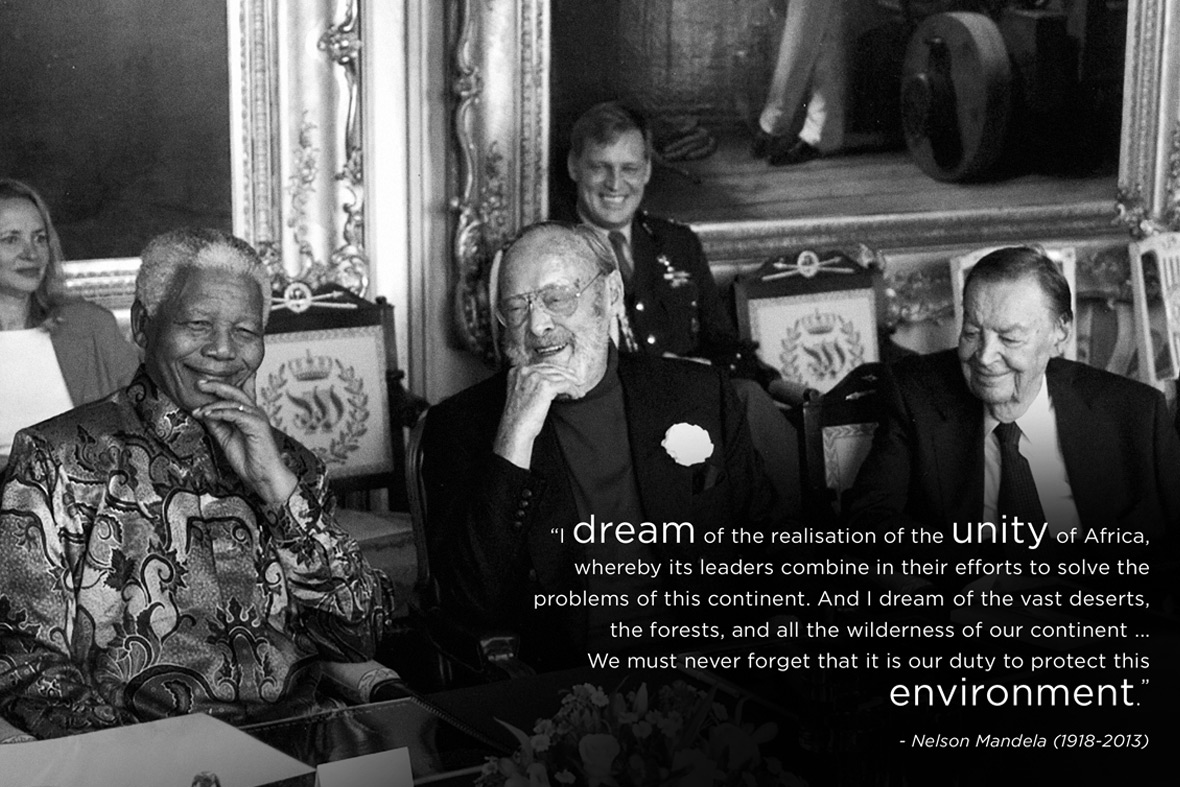
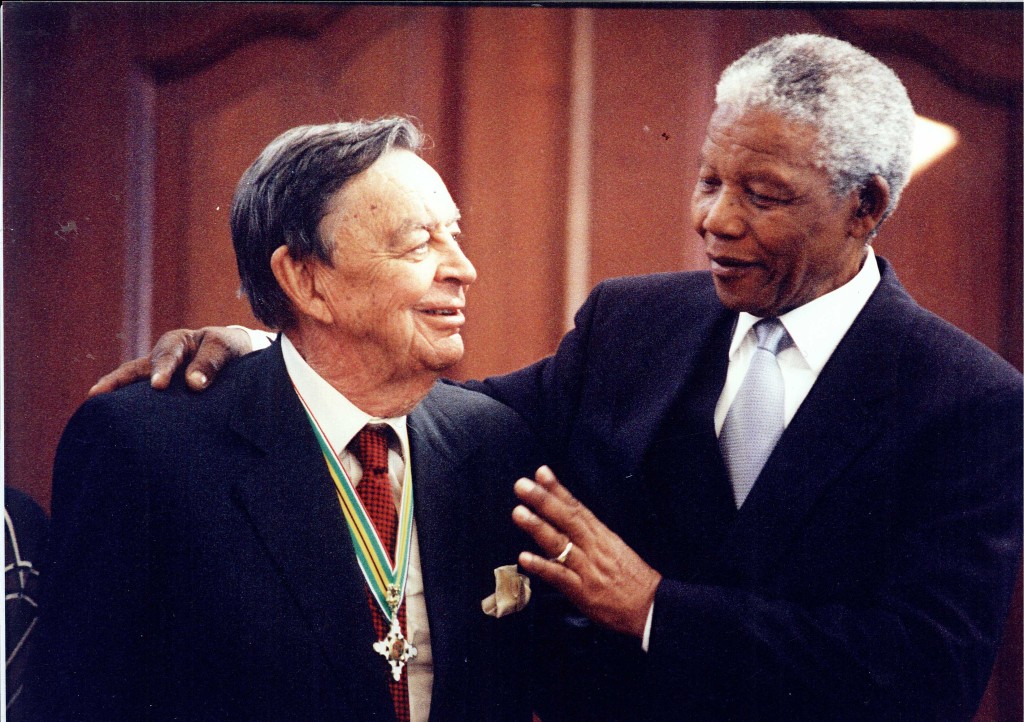
„Crearea parcurilor păcii a fost condusă de miliardarul sud-african și fost membru al Afrikaner Broederbond, Anton Rupert, și de prietenul său de-o viață, Prințul Bernhard al Olandei. Aceștia doi au condus Southern African Nature Foundation (SANF) și, respectiv, WWF International, încă din anii ’60. Este important de menționat că proiectele SANF de conservare a naturii din Africa de Sud și din țările vecine au format baza parcurilor pentru pace. Ca atare, SANF a oferit fundația pentru WWF a Africii de Sud și Peace Parks Foundation, înființată în 1997 sub conducerea lui Rupert. Nelson Mandela a fost numit patron onorific al Peace Parks Foundation și a oferit «acestei inițiative interesante» «cel mai deplin sprijin»” (Bram Büscher și Maano Ramutsindela, Green violence, p. 7).
Având în vedere aceste conexiuni la nivel înalt, nu a fost o surpriză pentru nimeni faptul că lansarea oficială a avut loc la Palatul Soestdijk din Olanda, același loc care cu mulți ani în urmă a găzduit mai multe recepții organizate pentru membrii olandezi recrutați ai Clubului 1001 (Joel van der Reijden, The 1001 Club. De asemenea, vezi Charles de Haes, Confidential letter, Mai 1973, la https://www.isgp-studies.com/org/1001/membership-lists/1001-club-1973-confidential-letter.pdf). Mai mult, se pare că PPF a urmat aceeași cale de influență ca și Clubul «celor 1001»:
„Prințul Bernhard și Anton Rupert au înființat, de asemenea, Fundația Parcurilor Păcii (PPF) în 1997, principala organizație de lobby pentru conservarea transfrontalieră în Africa de Sud (Ramutsindela, 2007). Din nou, au creat o rețea de persoane înstărite, de data aceasta numită «Clubul 21», pentru care fiecare membru trebuia să doneze 1.000.000 de euro (vezi Spierenburg și Wels, 2006, 2010, pentru detalii suplimentare)” (Maano Ramutsindela, Sponsoring nature, p. 48. Vedeți și pagina web a Fundației Parcurilor Păcii și a «Clubului 21», la următorul link https://www.peaceparks.org/about/our-journey/, respectiv https://www.peaceparks.org/get-involved/club-21/).
Mesajul său de lobby era acesta: conservare transfrontalieră în Africa de Sud, dar nu numai, și pace peste tot în lume: „Parcurile păcii sunt zone mari de conservare care traversează granițele statelor naționale și sunt destinate să salveze biodiversitatea, să permită dezvoltarea comunității și să conducă la o cooperare internațională și pace ca urmare a colaborării țărilor în cadrul unor instituții comune. De la mijlocul anilor ’90, parcurile păcii s-au aflat în centrul eforturilor regionale de conservare” (Bram Büscher și Maano Ramutsindela, Green violence, p. 2). Azi, un astfel de exemplu este oferit de proiectul Ras Mohamed.
În cele din urmă, rămân întrebările: 1) Poate fi construită pacea pe temelia unui trecut violent, a urmelor lăsate de Forțele de Apărare din Africa de Sud? 2) „De ce a fost Nelson Mandela, foarte conștient de această istorie și cunoscut pentru integritatea și principiile sale intransigente, de acord să devină patron al PPF-ului lui Rupert și Bernhard în 1997?” și 3) Ar fi putut fi subiectul unui șantaj prin intermediul unor sponsori olandezi, cum ar fi Loteria Codurilor Poștale, care promitea Fondului pentru Copiii lui Mandela 500.000 de guldeni pe an dacă ar deveni patron al PPF?
Violența verde
Pacea nu poate fi construită și impusă prin utilizarea „militarizării verzi”. De fapt, militarizarea verde a dus la „violența verde” în parcurile păcii, transformându-le în „parcuri ale războiului”. Întrebat cum ar fi dacă Operațiunea Rhino 2 ar fi desfășurată azi, Ian Player nu a negat necesitatea unui război într-un interviu din 2012: „E o lume diferită acum. Cel mai important lucru pe care trebuie să-l facem este să salvăm rinocerii care încă există, iar acest lucru se poate face doar în două moduri. Trebuie să existe mai mulți rangeri pe teren, iar aceștia trebuie să fie informați cu informații solide, pentru că e ca și cum ai purta un război. Nu poți câștiga un război decât dacă ai trupe și primești informații. Și asta ne duce la al doilea element de care avem nevoie. Au avut loc o serie de întâlniri, «summituri ale rinocerilor», dacă vreți, dar avem nevoie și de oameni de afaceri de top pentru a fi acolo, astfel încât să putem dezbate cea mai bună cale de urmat” (vezi Daily Dodo, Vox Media).
Apeluri la război le găsim și în cântecul de marș al lui Nicholas Arthur Steele: „Înainte, soldați conservatori / Mărșăluiți ca spre război”. În acest fel, a început Operațiunea Rhino 1, ducând la afacerea mult mai violentă dintre SADF și Operațiunea Lock. Războiul era mereu acolo, în ciuda idealului său declarat pentru pace. Dar războiul nu a fost doar despre salvarea rinocerului alb sau apărarea Africii de potențiala amenințare a comunismului. A fost, de asemenea, un război ideologic între două blocuri concurente, cel occidental și cel estic, în căutarea acaparării bogățiilor sale.
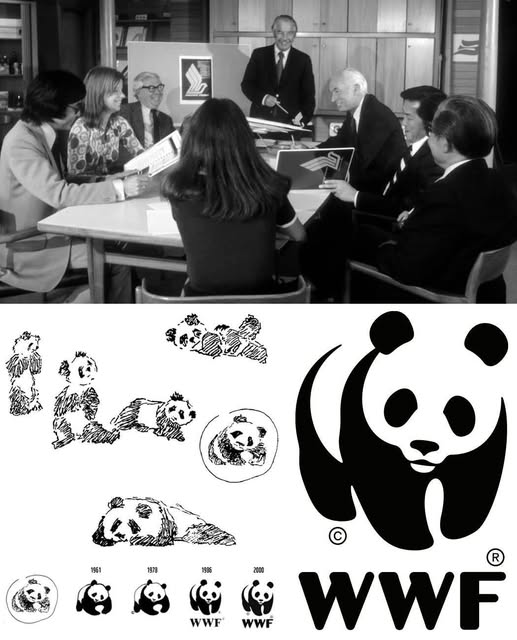
Și aici intervine rolul important al World Wide Fund și al Trustului său pentru Natură, Clubul „celor 1001”. Spre deosebire de alte grupuri de mediu, WWF nu a fost niciodată cu adevărat antagonist afacerilor și nici ideii de vânătoare. Pentru că nu era înrădăcinat în nicio mișcare de protest precum Greenpeace, de exemplu, ci mai degrabă a fost fondat de „naturaliști conservatori din clasa superioară”, oameni de afaceri și membri ai familiei regale europene, care erau prea fericiți să „coopereze cu industria și comerțul, chiar și-n zone în care abordările nu se potriveau”.
„Printre susținătorii de elită ai WWF se numără și cei cărora le place vânătoarea ca sport, așa că WWF permite vânătoarea în parcurile sale de conservare, în ciuda faptului că a „plătit pentru elicoptere” la sfârșitul anilor 1980 „pentru a fi folosite de administrația parcului național din Zimbabwe pentru vânarea braconierilor. Zeci de oameni au fost uciși în timpul misiunilor”.
Europenii sau americanii bogați au voie să se comporte ca și cum perioada colonială nu s-ar fi terminat niciodată. Li se permite să împuște elefanți, bizoni, leoparzi, lei, girafe și zebre, și chiar își pot unge fața cu sângele animalelor moarte, conform unui vechi obicei. Un purtător de cuvânt al WWF apără această practică, spunând că au fost stabilite cote și că veniturile din această „vânătoare reglementată” pot contribui la conservare” (vezi Sharon Beder, WWF International, la următorul link https://www.herinst.org/BusinessManagedDemocracy/environment/environmentalists/WWF3.html).
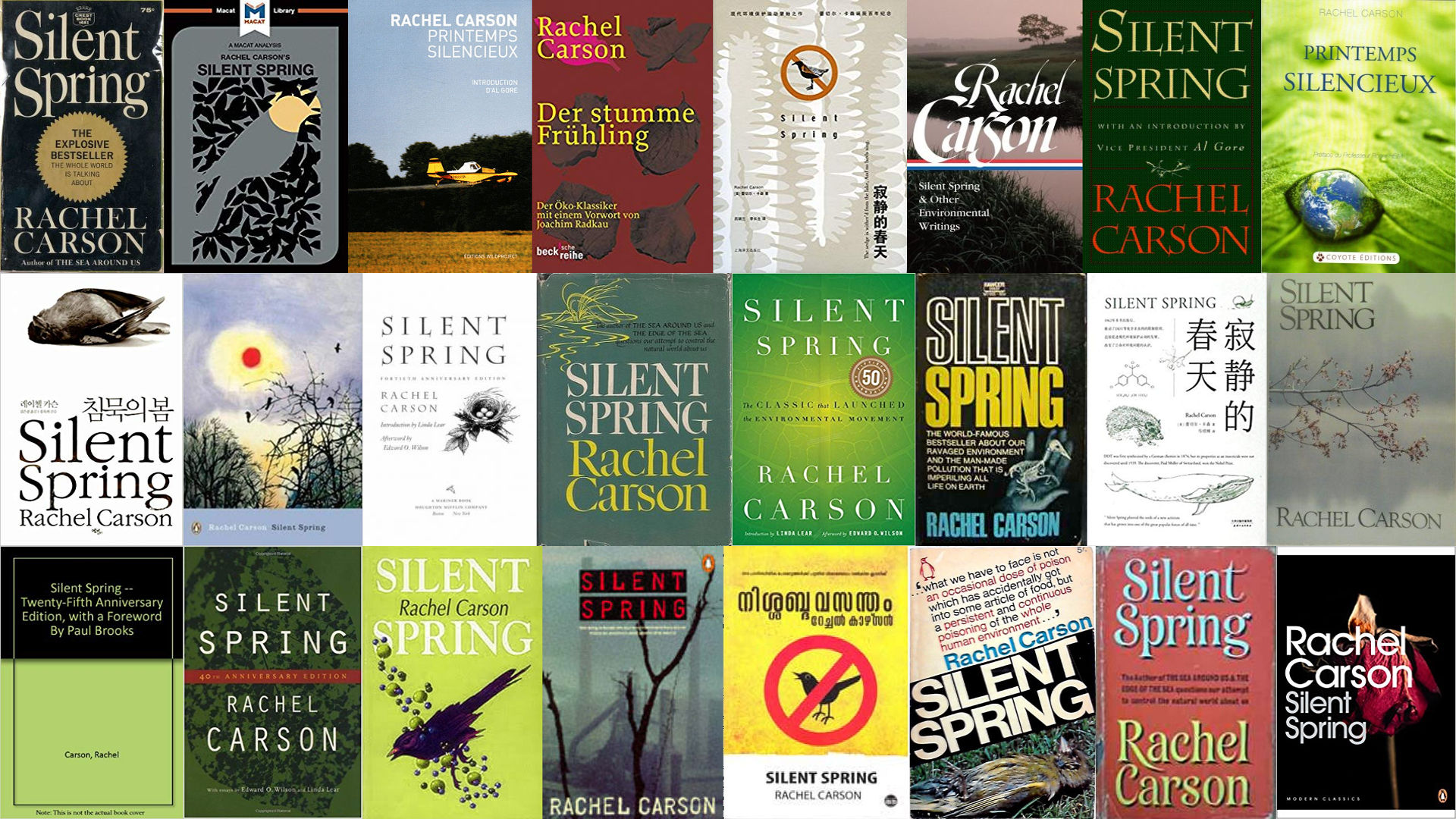
Acesta a fost un subiect controversat în cartea lui Rachel Carson din 1962, Primăvara tăcută. Unde primul donator corporativ al WWF, gigantul petrolier Royal Dutch Shell, a fost pus sub semnul întrebării din cauza neconcordanței dintre cele mai profitabile produse vândute de Shell, o gamă largă de pesticide chimice și politica de mediu a Fondului, precum și a legăturii strânse dintre John Loudon, la acea vreme președintele Royal Dutch Shell, și Prințul Bernhard.
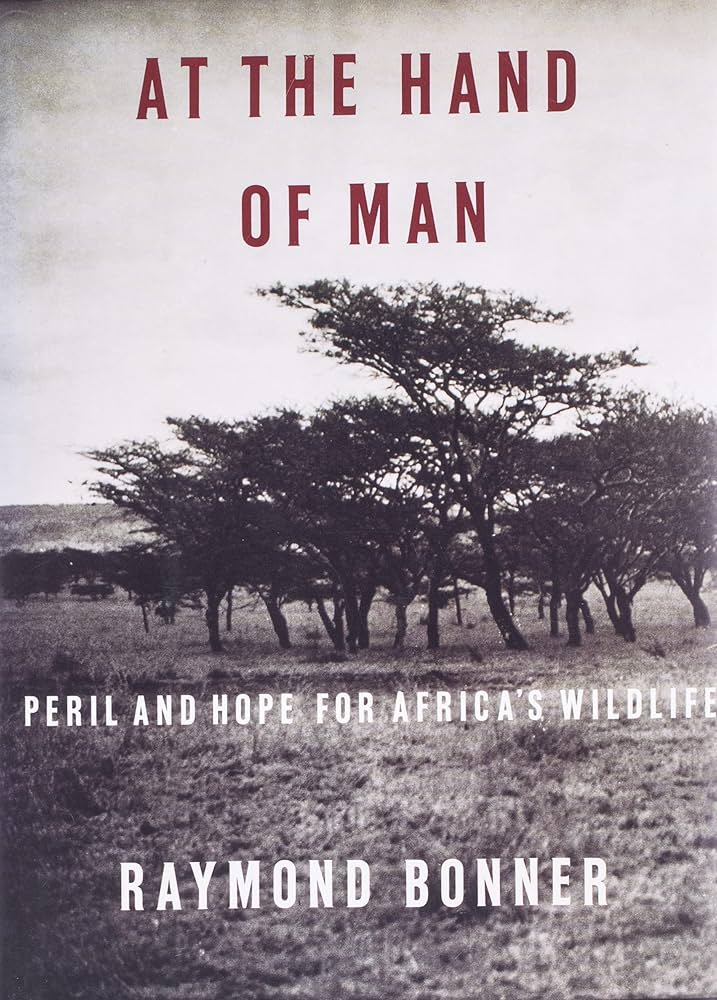
De asemenea, găsim alte controverse în cărțile lui Raymond Bonner, At the Hand of Man: Peril and Hope for Africa’s Wildlife (1993) și The Silence of the Pandas (2012) de Wilfried Huismann, care ilustrează legăturile WWF cu guvernele și mediul de afaceri. Pornind de la cartea lui Huismann, The Guardian a publicat un titlu scandalos în 2014 – WWF International acuzat că „își vinde sufletul” corporațiilor: „WWF International, cel mai mare grup de conservare din lume, a fost acuzat că «își vinde sufletul» prin crearea de alianțe cu companii puternice care distrug natura și folosesc marca WWF pentru a-și face «greenwash» operațiunile”, începe rubrica.
Și continuă prin a face referire la bestseller-ul german al lui Wilfried Huismann, Tăcerea pandelor: „WWF International a devenit o putere politică prea apropiată de industrie și în pericol de a depinde de banii corporațiilor: „WWF este un furnizor de servicii dispus să ofere giganților din sectoarele alimentar și energetic, industriei o imagine verde, progresistă… Pe de o parte, protejează pădurea; pe de altă parte, ajută corporațiile să revendice terenuri care nu se aflau anterior în posesia lor. WWF ajută la promovarea ideii de relocare voluntară a popoarelor indigene”, spune Huismann”.
În ceea ce-i privește pe membrii Clubului 1001, Huismann consideră că aceștia „încă influențează deciziile strategice ale WWF, deoarece mulți dintre membrii săi sunt actori importanți în cadrul unor corporații financiare și industriale globale și puternice care conduc planeta” (apud. The Observer, Wilfried Huismann; publicat în The Guardian, 2014. Vezi și documentarul lui Wilfried Huismann, WWF – Silence of the Pandas, Germania, 2011, la https://www.dailymotion.com/video/x105tsl).
Nu numai că WWF și clubul său elitist se află în contradicție cu idealul declarat de conservare a naturii, așa cum au arătat articolul din The Guardian și documentarul lui Wilfried Huismann, dar planează asupra lor multe suspiciuni cu privire la activitățile ilegale din comerțul cu fildeș:
„Membrii clubului au avut ocazia să se amestece și să facă afaceri cu un grup de magnați internaționali și membri ai familiei regale europene, lucru care unora dintre ei le-a fost refuzat din cauza activităților lor ilegale sau pentru că proveneau din Africa de Sud într-o perioadă în care sud-africanii albi erau marginalizați față de alte grupuri de elită internaționale datorită apartheidului.
În cartea sa, At the Hand of Man, Raymond Bonner susține că banii sud-africani donați către WWF și influența administratorilor sud-africani au influențat politicile acesteia, în special opoziția inițială față de interdicția vânzărilor cu fildeș, căreia Africa de Sud i s-a opus deoarece câștiga bani din vânzarea cu fildeș” (Sharon Beder, WWF International).
Parafrazându-i pe Bram Büscher și Maano Ramutsindela, întrebarea care ar trebui pusă aici este „de ce ar vrea guvernul sud-african să facă coarnele «fără valoare» dacă dorește să le comercializeze?” (Green violence, p. 16). Ar fi putut Anton Rupert influența politica clubului într-un mod care ar fi fost mult mai avantajos pentru a face afaceri? În calitate de magnat sud-african, membru fondator atât al WWF, cât și al Clubului 1001, și principal donator al PPF, Anton Rupert putea fi unul dintre cei mai mari jucători din comerțul cu fildeș (vezi Green Queen Media, Sally Ho, New Book Exposes WWF Backing of Inhumane Trophy Hunting Industry).
Astfel, de la vânătoarea animalelor sălbatice până la vânătoarea de către rangeri în parcurile păcii mai erau doar câțiva pași de făcut în ideea de a elimina mica concurență a braconierilor/micilor fermieri pentru a face loc marilor corporații lacome de resurse și terenuri. În termeni economici, dacă scopul este de a pune stăpânire pe terenurile și resursele negrilor sălbatici în numele supremației albe, atunci mijloacele de violență folosite sunt scuzabile și de iertat.
Despre asta este vorba în Silence of the Pandas (vezi și thrillerul american Beyond the Reach, 2014). Acesta a fost și cel mai puternic argument pentru cercetarea efectuată asupra „violenței verzi” din ultimii zece ani de către ambii autori, Bram Büscher și Maano Ramutsindela:
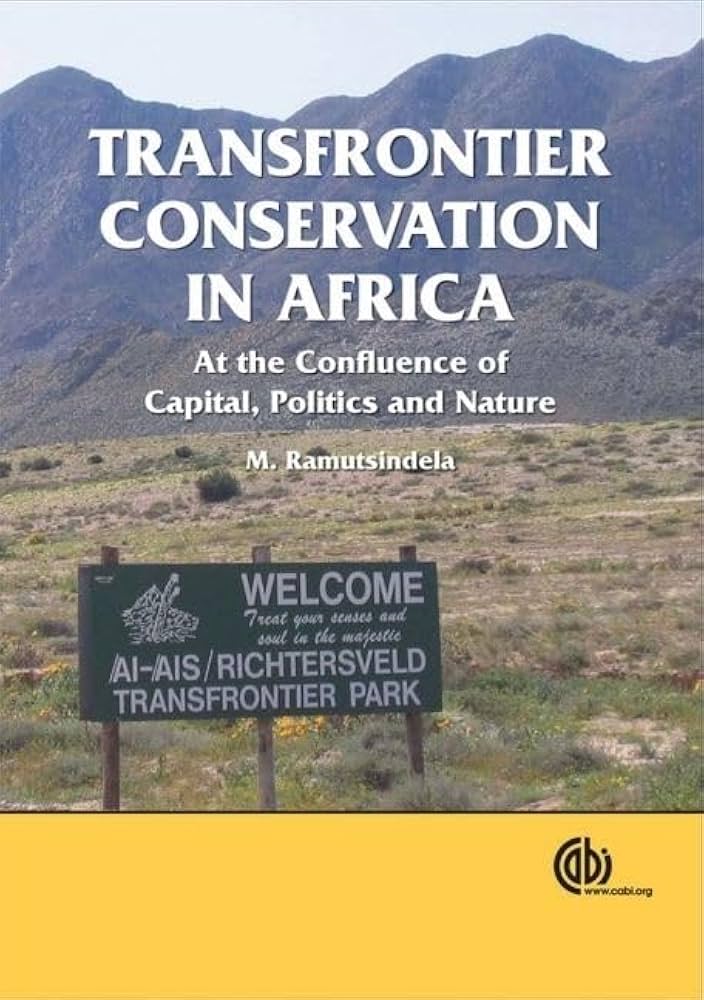
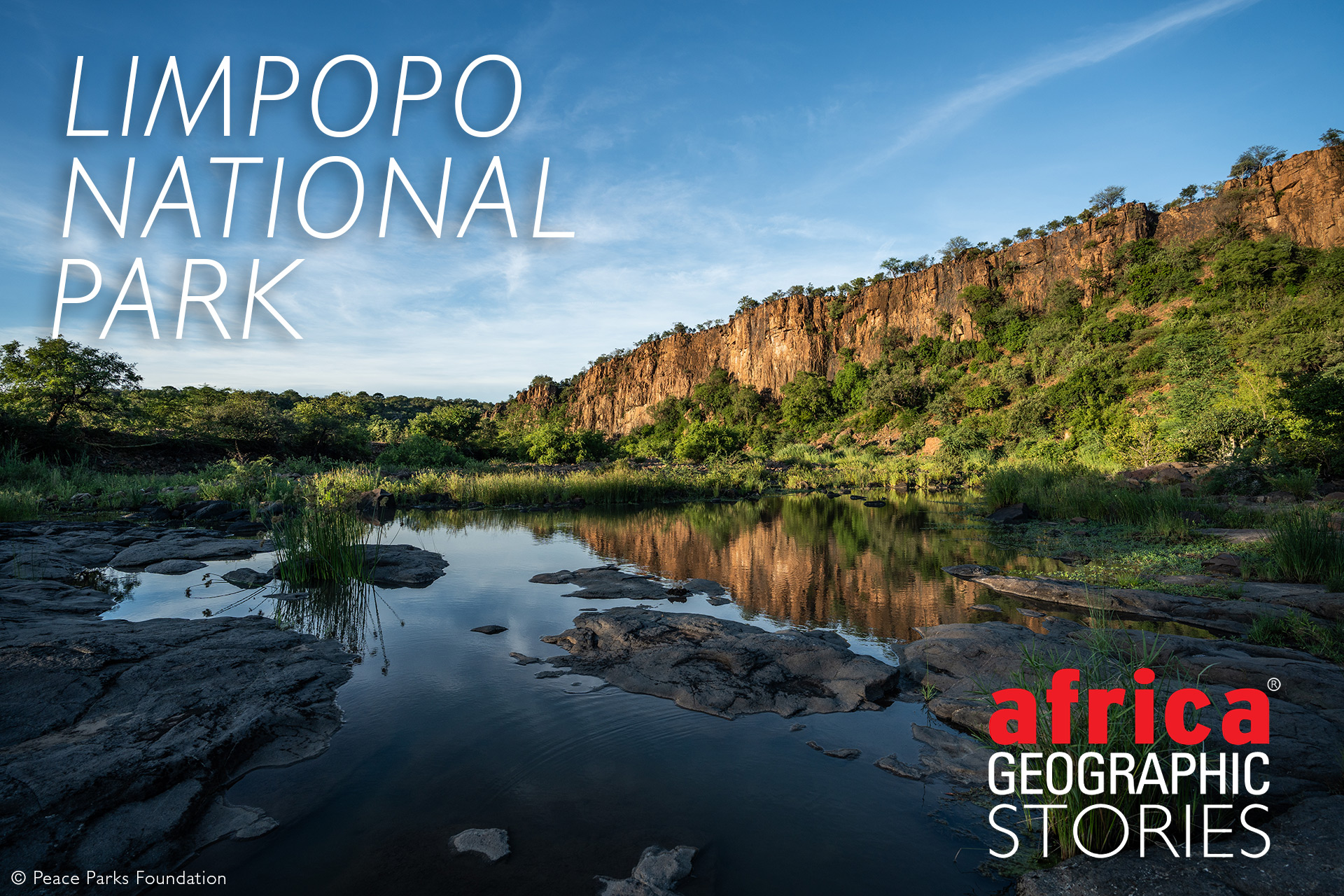
„Argumentul nostru se bazează pe interviuri realizate în Africa de Sud din ianuarie până în mai 2014, precum și pe cercetări efectuate asupra/și în legătură cu Marele Parc Transfrontalier Limpopo (Great Limpopo Transfrontier Park) situat între Africa de Sud, Mozambic și Zimbabwe din ultimii zece până la cincisprezece ani de către ambii autori. GLTP se află în centrul atât al crizei braconajului de rinoceri, cât și al agendei parcurilor pentru pace.
(…) Potrivit generalului-maior Johan Jooste, aflat în retragere din cadrul Forțelor de Apărare ale Africii de Sud, care dirijează operațiunile anti-braconaj în Parcul Național Kruger, 77 de braconieri au fost „neutralizați” în Mozambic în 2014. În același timp, GLTP a fost mereu parcul emblematic pentru pace. Prin urmare, braconajul de rinoceri și consecințele sale nu numai că amenință GLTP, ci și-n potențial întregul proiect de parcuri pentru pace din regiune, deoarece parcurile păcii se transformă în „parcuri ale războiului”.
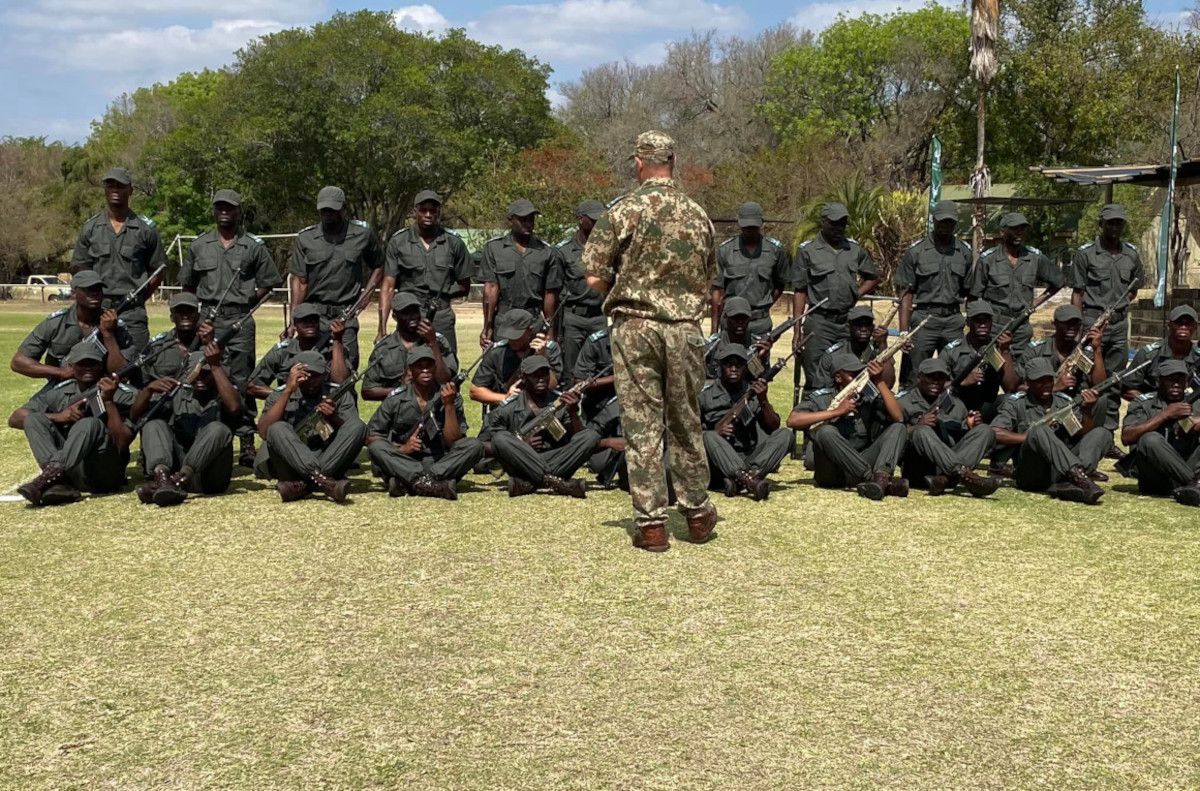
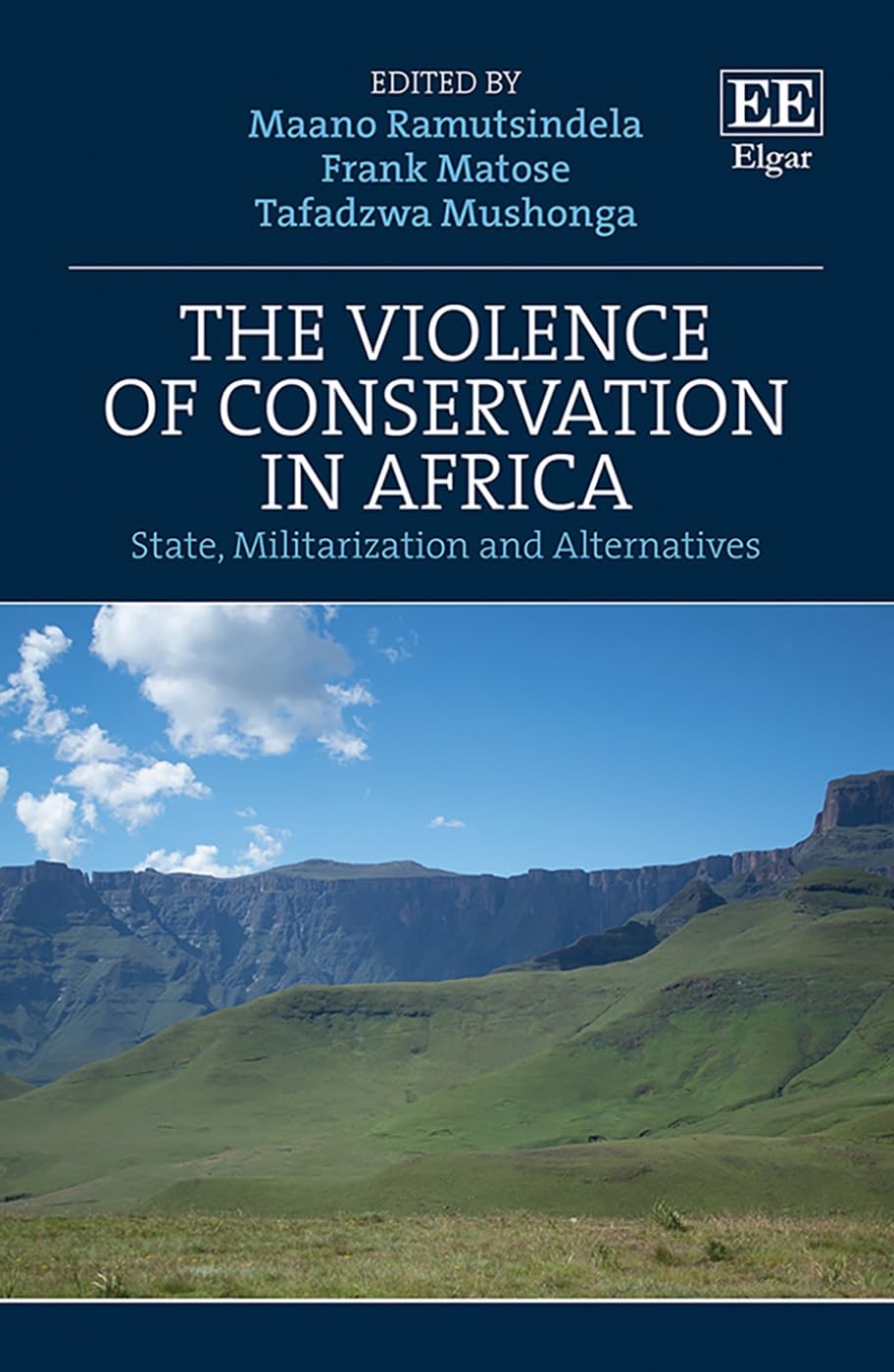
Militarizarea continuă a Parcului Național Kruger și războiul împotriva braconierilor din Marele Parc Transfrontalier Limpopo ar trebui înțelese în contextul mai larg al genealogiei violenței din Africa de Sud, în special a violenței asociate cu luptele de eliberare și cu politica ideologic divizată din timpul Războiului Rece. Strategia contrarevoluționară a Pretoriei și militarizarea ulterioară a luptei din Africa de Sud au marginalizat schimbările socio-economice și au integrat Africa de Sud și Rhodesia în „comunitatea internațională de apărare și informații”. Greutățile ulterioare pe care le-a experimentat regiunea în anii ’80 au fost, potrivit lui John Daniel, printre „cele mai mari crime ale secolului XX”. Vom povesti pe scurt această istorie pentru a stabili legăturile dintre violența politică, conservarea vieții sălbatice și apariția parcurilor pentru pace” (Bram Büscher și Maano Ramutsindela, Green violence, 2015, pp. 3-4).
Autorii și-au definit conceptul de „violență verde” pornind de la ideea de „militarizare verde” găsită în studiile lui Elizabeth Lunstrum, prin care ea înțelege „utilizarea personalului militar și paramilitar, a instruirii, tehnologiilor și parteneriatelor în urmărirea eforturilor de conservare”, mai ales în Parcul Național Kruger, ca răspuns la criza braconajului de rinoceri:
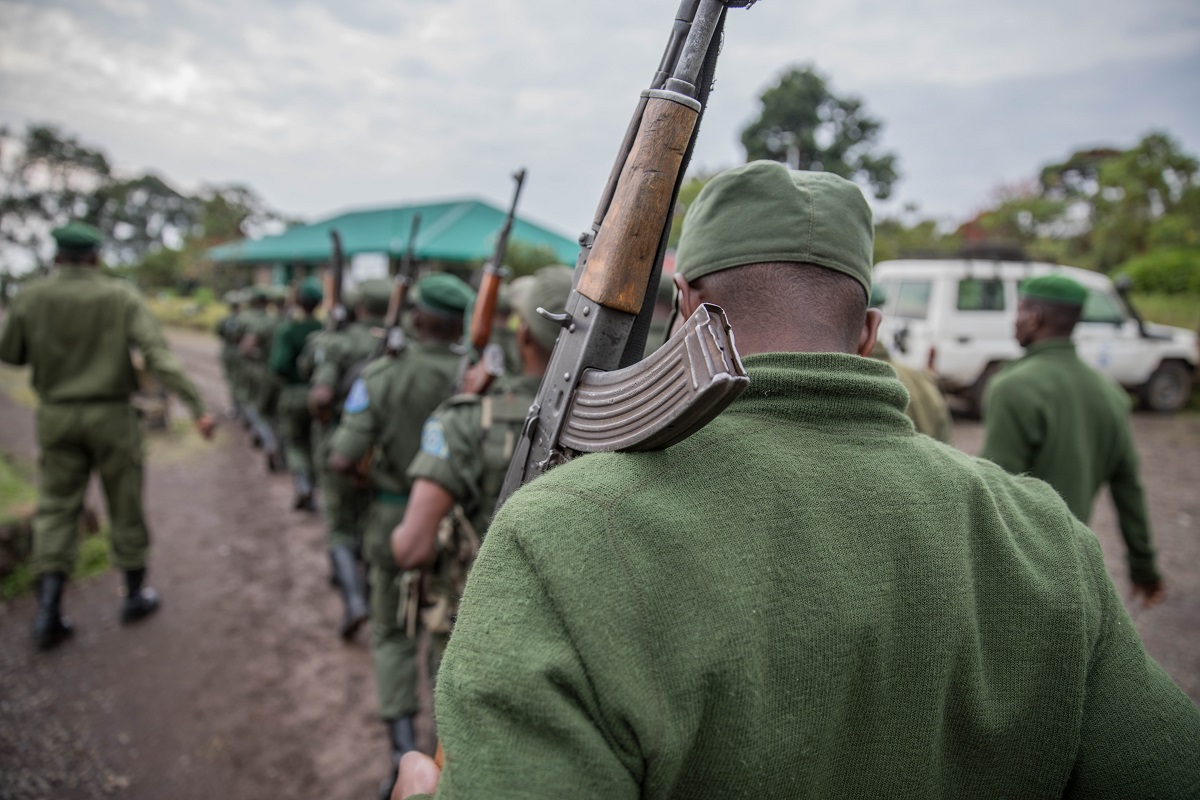
„Militarizarea practicilor de conservare în Kruger și ulterioara militarizare a parcului în sine e frapantă din mai multe puncte de vedere. Este caracterizată de multiple straturi de militarizare, de la pământ până la cer, și facilitată de o serie de actori, inclusiv rangeri, soldați, lideri militari și firme militare [precum cea britanică Kas Enterprise], ambele publice și private. De asemenea, rezultă din ceea ce este în esență o cursă a înarmărilor între braconieri și forțele anti-braconaj; pe măsură ce fiecare parte devine mai sofisticată și potențial letală prin metode și tehnologii militarizate, cealaltă urmează exemplul pentru a ține pasul. Militarizarea statală rezultată, în special, s-a dovedit letală, cu peste 300 de suspecți braconieri uciși în ultimii cinci ani” (Ibid., p. 9).
Pe lângă utilizarea practicilor militare, „violența verde” folosește și alte practici violente care iau o formă lingvistică prin intermediul rețelelor de socializare, promovând discursul instigator la ură și moartea: „Conceptualizăm violența verde ca fiind utilizarea de instrumente și tactici violente pentru protejarea naturii și a ideilor și aspirațiilor legate de conservarea ei. Violența verde denotă aspecte materiale și non-materiale, precum și modul în care violența ia formă socială și lingvistică”, specifică autorii.
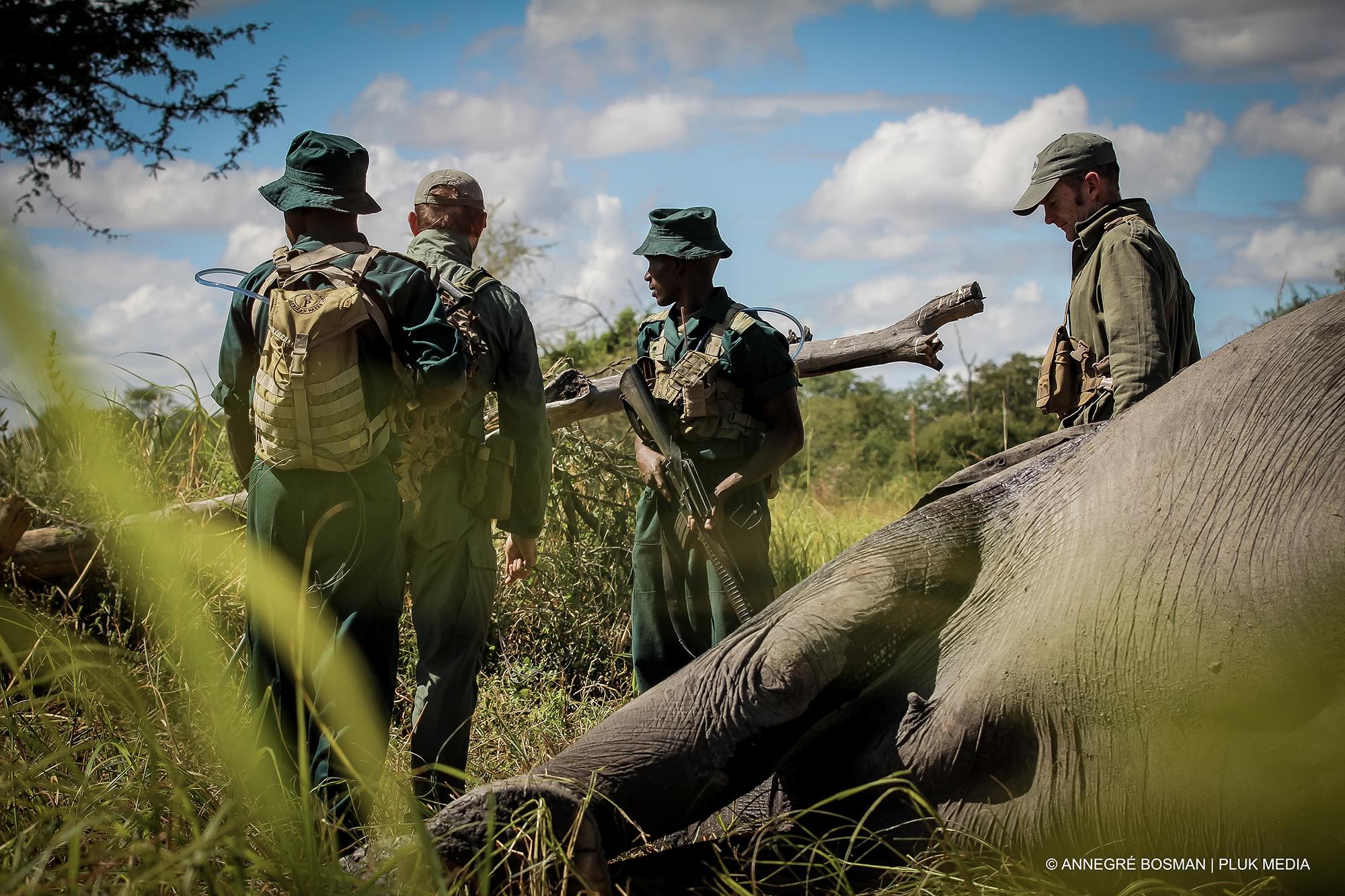
Mai mult, „urmându-l pe Michael Karlberg, înțelegem discursul ca implicând dezvoltarea unui mod colectiv și structurat de gândire și comunicare, menit să modeleze viziunile asupra lumii și să influențeze comportamentul uman. În contextul dezbaterii despre braconaj, platformele online au fost folosite pentru a dezvolta discursuri și moduri de gândire despre braconieri și ce ar trebui să li se întâmple, care sunt extrem de problematice. Un element al acestor discursuri se referă la celebrarea morții braconierilor (…). Aceste exemple și altele similare par să sugereze că rețelele de socializare au permis discursuri extremiste orientate spre protejarea rinocerilor cu orice preț” (Ibid., vezi Rhino poaching and green violence, respectiv Discursive violence: celebrating death, pp. 9-10, 19-20).
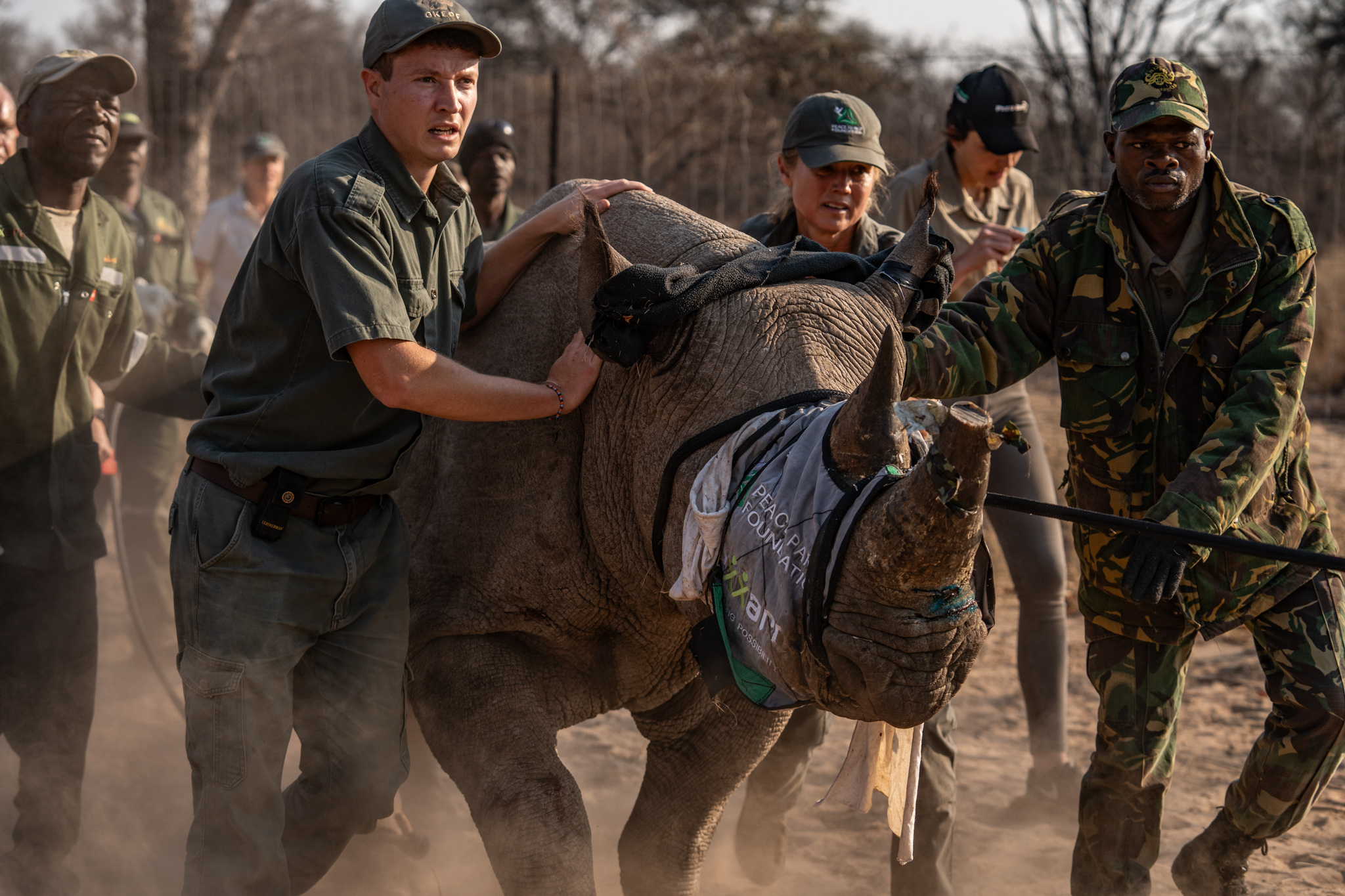
Prin plasarea conservării naturii mai presus de viața umană, ea devine, în mod ironic, o afacere din ce în ce mai violentă în parcurile păcii din Africa de Sud. Pe măsură ce PPF, guvernul sud-african și un public vocal (rețelele sociale) se angajează în activități care contravin proiectului lor, compromițând astfel idealurile de pace și armonie pe care parcurile păcii ar fi trebuit să le întruchipeze:
„Poziționarea constantă a parcurilor păcii ca spații ideale, prin care anxietățile și speranțele coloniale profund înrădăcinate și în mare parte ale albilor pentru o Africă «pură» și «curată» continuă să fie reciclate, îi plasează pe cei care rup visul într-un spațiu al excepției, unde nici aspirațiile visului, nici dreptul legal la viață nu se aplică. Umanitatea este deposedată de cei care încalcă «proiectul imaginativ» ducând la legitimarea și celebrarea morții violente. (…) Această tendință se regăsește în alte părți ale continentului african și în alte părți ale lumii” (Ibid., p. 22. De asemenea vezi BuzzFeed News, Tom Warren și Katie J.M. Baker, WWF Funds Guards Who Have Tortured and Killed People, respectiv WWF’s Secret War, la următoarele linkuri https://www.buzzfeednews.com/article/tomwarren/wwf-world-wide-fund-nature-parks-torture-death și https://www.buzzfeednews.com/collection/wwfsecretwar).
Ana-Maria Caminski
Corespondent in Romania, pentru NASUL TV Canada
Quo Vadis, or where are we going with sustainable development? (Fourth part)
The Green vision took shape during the Cold War, as the Western and Eastern blocs competed for control and influence over Southern African nations and liberation movements. Mostly born of Julian Huxley’s ideas[1], the vision offered as an alternative to the ideologies he opposed, Communism and National Socialism. But, as we shall see, what should have been the ‘good alternative’ will end in terror and wars waged against wildlife. Otherwise said, the vision born of fear of Communism becomes ghostly alike.
The British secret military codename: Operation Lock
As the researchers Bram Büscher and Maano Ramutsindela have noticed, the so-called war against Communism in Southern Africa had shown some links with nature conservation, also with the British and Dutch aristocracy through the World Wildlife Fund (WWF):
“In the 1980s, anti-poaching measures brought the relationship between conservation organizations and agencies and militarization in the region into public scrutiny, focusing on Operation Lock – a codename for undercover operations by a British private military company, KAS Enterprise. Prince Bernhard of the Netherlands, the first president of the World Wide Fund for Nature (WWF) International, and John Hanks were instrumental in organizing Operation Lock. KAS activities were financed by private money that was channeled through the Southern African Nature Foundation, a local arm of WWF [and a possible connection with the African business magnate, Anton Rupert, of whose founder he was, we will add]. Using its base in the suburb of Hatfield (Pretoria), Operation Lock gathered intelligence while training, equipping, and working with the anti-poaching units of conservation agencies in Southern Africa in an effort to combat the illegal trade in ivory and rhino horn” (Bram Büscher and Maano Ramutsindela, Green violence, 2015, p. 5).
Well, all these major shifts in methods of governing society, even starting from a tribal one, have made the transition from a centralized and bureaucratic government to a global governance and created a polycentric state all over the world, in which sets of relationships between public, private, and voluntary sectors restructured the public sphere (apud. Morgan, 2007; Ball, 2008; Maano Ramutsindela, Sponsoring nature: The state and governance issues, 2011, p. 11).
The Cold War was the pretext used by the elite to achieve this goal, and the anti-poaching measures used in Southern Africa, as well as the white liberation movements, provided a seemingly rational reason for the militarization of the area:
“We see the links between nature conservation and the anti-communist agenda in southern Africa as something that was not built into the initial enthusiasm for nature conservation in the region. Instead, the links emerged later from the need to ward off the spread of communism in the region” (Ibid., Sponsoring nature: ‘Good Science’ or ‘Conspiracy Theories’, 2011, pp. 49-50).
“Significantly, the war against communism, the regional spread of conservation efforts, and the involvement of conservation groups in that war interwove poaching and liberation struggles, with game rangers often conflating liberation armies and poachers in order to maintain conservation areas as white territories. For example, take the famous conservationist Nick Steele, who networked ‘with all kinds of security-related organizations and security-oriented like-minded people inside and outside South Africa, who all used the discourse of the need for military-style conservation and preservation of Africa’s wildlife, and particularly the rhino and elephant’.
In brief, Cold War politics created conditions for the militarization of the region as the Western and Eastern blocs competed for control and influence over Southern African nations and liberation movements. At the same time, there was increased militarization of conservation, through Operation Lock and other initiatives. In post-apartheid Southern Africa, rhino poaching provides the rationale for the militarization of conservation” (Bram Büscher and Maano Ramutsindela, Green violence, 2015, pp. 5-6).
Who would have been better to fulfil this mission and job if not Nick Steele, a nature conservationist and anti-Communist with military training and a close friend of Ian Player?
“As a junior warden at Hluhluwe Game Reserve, Steele was trained and mentored by the very military-like Norman Deane” (Steele, 1992). “In his personal diary, in 1966, Steele already thought of a fitting war song to keep the conservation soldiers, game rangers, and game scouts on the march:
Onward, Conserve Soldiers
Marching as to War
With the Cross of Conservation
Going on Before” (Maano Ramutsindela, Sponsoring nature, p. 54).
The Green Cross for the Green Crusade?! It was no less important to the conservation movement that both Nicholas Arthur Steele and Sir Laurens van der Post had military backgrounds[2]. Alongside their conservation friends, the green discourse was constructed around the concept of ‘wildlife wars’. But the green militarization led to the green violence. What initially began only as wildlife wars ends as wars waged against the wildlife overall.
South Africa’s destabilization programme
Operation Rhino was the starting point for the ‘wildlife wars’. We remember that all this began with the notable conservation efforts of Ian Player and his Zulu mentor, Magqubu Ntombela, to save the white rhinoceros from extinction in the 1960s during the apartheid government (see Wikipedia, WILD Foundation. Also IWLFs Newsletter, The Leaf: Wilderness Leadership School, pp. 1, 7).
The rescue of the white rhinoceros later prompted the South African armed forces and British mercenaries to join forces in an apparent effort to combat poaching through Operation Lock. However, saving the wildlife remains only as a declared ideal for environmentalists. Since, in reality, the South African military defense and intelligence services, as well as the British ones, which were supposed to combat poaching, were heavily involved in ivory and rhino horn smuggling between the 1970s and 1980s, leading to the destabilization of the region:
“Prior to this operation, the apartheid state was giving military support to ‘anti-government insurrectionary forces, namely, the Uniao Nacional para a Independência Total de Angola (UNITA) in Angola and the Resistência Nacional Moçambicana (RENAMO)’ in Mozambique as part of South Africa’s strategy to destabilize the region. In pursuit of that strategy, the South African Military Intelligence Division was involved in smuggling ivory and rhino horn to support UNITA’s operations. The involvement of the South African Defense Force (SADF) in this illicit trade ‘was sanctioned by General Magnus Malan, at that time the Commander-in-Chief of the SADF’. Members of the Military Intelligence Division were also involved in Operation Lock” (Bram Büscher and Maano Ramutsindela, Green violence, 2015, p. 5).
Frama, a front company established by the South African Defense Force (SADF) in the ’80s, was found guilty of being involved in large-scale ivory and rhino horn poaching by the commission of Mr. Justice Kumleben:
“One of the first initiatives that Nelson Mandela took when he became the first democratically elected president of South Africa in 1994 was to ask a commission in October 1994 ‘to inquire into the alleged smuggling of ivory and rhino horn, particularly of Angolan and Mozambican origin, to and through South Africa’ (Beame, 2010). The commission was led by Mr. Justice Kumleben, from whom the commission derived its name. The inquiry was to a large extent fuelled by allegations that the South African Defense Force (SADF) had been involved in large-scale ivory and rhino horn poaching. The Kumleben commission was able to verify these allegations and concluded, among other things, that:
- ‘The SADF was directly involved in dealing in ivory and probably rhino horn from mid-1978 to the beginning of 1980.
- In 1980, the SADF established a front company called Frama, which engaged in smuggling ivory and, no doubt, rhino horn from Angola to South Africa until about 1986. The SADF ensured that Frama vehicles were not searched on their journey through Namibia to South Africa. The SADF continued to transport ivory by air to South Africa during this period.
- The Military Intelligence Division was responsible for the above activities’ ”. (apud. Cock, 1998; in Maano Ramutsindela, Sponsoring nature, 2011, pp. 51-52).
We wonder here whether Frama was the only front company used in ivory and rhino horn smuggling, whether there were no other clubs or organizations related to it. What was the real stake outside of financial gain in this dirty game?[3]
“In other words, the military has been responsible for reckless environmental destruction in the region of southern Africa (see also Ellis, 1994). It was condoned because it fitted very well with South Africa’s destabilization policies with regard to its neighboring states, as ‘poaching and anti-poaching formed central elements in South Africa’s destabilization programme’ (Duffy, 2000). The WWF, in which Prince Bernhard and Anton Rupert were heavily involved, was also implicated in this particular configuration through Operation Lock, which we have extensively described and politically contextualized elsewhere (Spierenburg and Wels, 2010). This anti-poaching operation, through hiring British mercenaries to infiltrate the ivory and rhino horn networks, seemed to have become part and parcel of apartheid’s counterinsurgency operations in the region” (Ibid., see ‘Good Science’ or ‘Conspiracy Theories’, in Sponsoring nature, §Chapter 3. The South-North Connections: World Systems Theories and Elite Networking, 2011, pp. 51-52).
Peace Parks Foundation (PPF, 1997)
Nature conservation has always been part and parcel of the elite’s political agendas. This was also the case for the trans-frontier conservation NGO, the Peace Parks Foundation (PPF). Established in 1997 by Prince Bernhard of the Netherlands and the African business tycoon, Anton Rupert, PPF was designed in the form of an international superstructure that should have come up with a global solution to the regional rhino-poaching crisis in southern Africa:
“With a nose for branding and marketing, Anton Rupert, together with a globally networked Prince Bernhard, started the PPF in 1997, with Nelson Mandela as its patron. The official launch took place at Palace Soestdijk in the Netherlands. Elite networks from the anti-apartheid struggle and old business networks from apartheid days came together in the superstructure of the PPF, the major promotion and executive institution of transfrontier conservation in southern Africa” (Maano Ramutsindela, Sponsoring nature, p. 50).
“The creation of peace parks was led by South African billionaire and one-time member of the Afrikaner Broederbond, Anton Rupert, and his longtime friend Prince Bernhard of the Netherlands. These two people had led the Southern African Nature Foundation (SANF) and WWF International, respectively, since the 1960s. Importantly, the SANF’s nature conservation projects in South Africa and neighboring countries formed the basis for peace parks. As such, the SANF provided the foundation for WWF-South Africa and the Peace Parks Foundation, formed in 1997 under Rupert’s leadership. Nelson Mandela was made an honorary patron of the Peace Parks Foundation and gave ‘this exciting initiative’ his ‘fullest support’ ” (Bram Büscher and Maano Ramutsindela, Green violence, p. 7)[4].
By having in mind these high-level connections, it was not a surprise for anyone then that the official launch took place at Palace Soestdijk in the Netherlands, the same place that many years ago hosted several organized receptions for the Dutch recruited members of the 1001 Club (Joel van der Reijden, The 1001 Club. Also, see Charles de Haes, Confidential letter, May 1973, at https://www.isgp-studies.com/org/1001/membership-lists/1001-club-1973-confidential-letter.pdf). Moreover, it seems that PPF followed the same path of influences as the Club of «the 1001»:
“Prince Bernhard and Anton Rupert also started the Peace Parks Foundation (PPF) in 1997, the major lobby organization for transfrontier conservation in South(ern) Africa (Ramutsindela, 2007). Again, they established a network of wealthy individuals, this time called the ’21 Club’, for which every member has to donate €1,000,000 (see Spierenburg and Wels, 2006, 2010, for further details)” (Maano Ramutsindela, Sponsoring nature, p. 48. Also see the web page of the Peace Parks Foundation and the ’21 Club’, at the following link https://www.peaceparks.org/about/our-journey/, respectively https://www.peaceparks.org/get-involved/club-21/).
Its lobby message was this: trans-frontier conservation in South Africa, but not only, and peace all over the world: “Peace parks are large conservation areas that cross national state boundaries and are intended to save biodiversity, enable community development, and lead to international cooperation and peace as a result of countries working together in joint institutions. Since the mid-1990s, peace parks have been at the center of regional conservation efforts” (Bram Büscher and Maano Ramutsindela, Green violence, p. 2). Today, such an example is offered by the Ras Mohamed project[5].
Finally, remain the questions: 1) Can peace be built on the foundation of a violent past, of the traces made by the South African Defense Force? 2) ‘Why did Nelson Mandela, very much aware of this history, and known for his integrity and uncompromising principles, agree to become patron of Rupert and Bernhard’s PPF in 1997?’, and 3) Could he have been the subject of blackmail through Dutch sponsors, like the Postcode Lottery, which promised the Mandela Children Fund 500,000 guilders per year if he would become patron of the PPF?[6]
The Green violence
Peace cannot be built and imposed by using the ‘green militarization’. In fact, the green militarization has led to the ‘green violence’ in peace parks, transforming them into ‘war parks’. Asked what it would be like if Operation Rhino 2 were carried out today, Ian Player did not deny the necessity of a war in a 2012 interview: “It’s a different world now. The most important thing we have to do is to save the rhinos that still exist, and that can only be done in two ways. There have to be more rangers in the field, and they must be supplied with good intelligence because it’s like fighting a war. You can’t win a war unless you’ve got troops and you’re getting information. And that leads to the second element we need. There have been a number of meetings, ‘rhino summits’ if you like, but we need top businessmen to be there too, so that we can debate the best way forward” (see Daily Dodo, Vox Media).
Calls for war, we also find in Nicholas Arthur Steele’s marching song: ‘Onward, Conserve Soldiers / Marching as to War’. In this way, Operation Rhino 1 has started, leading to the much more violent affair of the SADF and Operation Lock. The war was always there, despite its declared ideal for peace. But the war was not only about saving the white rhino or defending Africa from the potential threat of communism. It was also an ideological war between two competing blocs, the Western and the Eastern, in the pursuit of grabbing her riches.
And here comes the role-part of the World Wide Fund and its Nature Trust, the Club of «the 1001». Unlike other environmental groups, WWF was never truly antagonistic to business, nor to the idea of hunting. Because it was not rooted in any protest movement like Greenpeace, for example, but rather was founded by ‘conservative upper-class naturalists’, businessmen, and members of the European royalty, who were too happy to ‘cooperate with industry and commerce, even in areas where approaches do not match’.
“WWF’s elite supporters include those who enjoy hunting as a sport, and so WWF allows hunting in its conservation parks, despite having „paid for helicopters” in the late 1980s „to be used by the national park administration of Zimbabwe to hunt down poachers. Dozens of people were killed during the missions”.
Rich Europeans or Americans are allowed to behave as if the colonial period had never ended. They are allowed to shoot elephants, buffalo, leopards, lions, giraffes, and zebras, and they can even smear the blood of the dead animals onto their faces, in accordance with an old custom. A WWF spokesman defends this practice, saying that quotas have been established and that the proceeds from this „regulated hunting” can contribute to conservation” (see Sharon Beder, WWF International, at the following link https://www.herinst.org/BusinessManagedDemocracy/environment/environmentalists/WWF3.html).
This has been a controversial subject in Rachel Carson’s 1962 book, Silent Spring. Where WWF’s first corporate donor, the oil giant Royal Dutch Shell, was questioned because of the mismatch between Shell’s most profitable products sold, a large range of chemical pesticides, and the environmental policy of the Fund, as well as the close connection of John Loudon, at that time president of Royal Dutch Shell, with Prince Bernhard.
We also find other controversies in Raymond Bonner’s At the Hand of Man: Peril and Hope for Africa’s Wildlife (1993) and Wilfried Huismann’s The Silence of the Pandas (2012)[7], which illustrate WWF’s links with governments and the business sector. Going from Huismann’s book, The Guardian ran a scandalous headline in 2014 – WWF International accused of ‘selling its soul’ to corporations: “WWF International, the world’s largest conservation group, has been accused of „selling its soul” by forging alliances with powerful businesses that destroy nature and use the WWF brand to „greenwash” their operations”, begins the column.
And continues by referring to Wilfried Huismann’s German bestseller, The Silence of the Pandas: “WWF International has become a political power that is too close to industry and in danger of becoming reliant on corporate money: „WWF is a willing service provider to the giants of the food and energy sectors, supplying industry with a green, progressive image … On the one hand, it protects the forest; on the other, it helps corporations lay claim to land not previously in their grasp. WWF helps sell the idea of voluntary resettlement to indigenous peoples,” says Huismann”.
As for the members of the 1001 Club, Huismann believes that they „still influence the strategic decisions of the WWF, because many of its members are important players in global and powerful financial and industrial corporations that rule the planet” (apud. The Observer, Wilfried Huismann; published in The Guardian, 2014. Also see Wilfried Huismann’s documentary, WWF – Silence of the Pandas, Germany, 2011, at https://www.dailymotion.com/video/x105tsl).
Not only does the WWF and its elitist club stand in contradiction with the declared ideal of conservation nature, as The Guardian column and Wilfried Huismann documentary showed, but many suspicions are hovering over them regarding illegal activities in the ivory trade:
“Club members had the opportunity to mingle and do business with a group of international business tycoons and European royalty, something that was denied to some of them because of their illegal activities or because they were from South Africa at a time when white South Africans were shunned from other international elite groups because of apartheid.
In his book, At the Hand of Man, Raymond Bonner argues that the South African money donated to WWF and the influence of South African trustees influenced its policies, in particular its initial opposition to a ban on ivory sales, which South Africa opposed because it made money from selling ivory” (Sharon Beder, WWF International).
Paraphrasing Bram Büscher and Maano Ramutsindela, the question that should be asked here is ‘why the South African government would want to make horns ‘worthless’ if it wishes to trade them?’ (Green violence, p. 16). Could it have been Anton Rupert influencing the club policy in a way that would have been much more advantageous for doing business? As a South African tycoon, founding member of both the WWF and the 1001 Club, and a main donor of the PPF, Anton Rupert[8] could have been one of the greatest players in the ivory trade (see Green Queen Media, the column of Sally Ho, New Book Exposes WWF Backing of Inhumane Trophy Hunting Industry).
Thus, from hunting of wildlife up to the rangers hunting in peace parks, were only some steps to make in the idea of removing the small competition of poachers / small farmers to make room for large corporations greedy for resources and land. In economic terms, if the purpose is to get hold of the lands and resources of the wild Negros in the name of white supremacy, then the means of violence used are excusable and forgivable.
This is what the Silence of the Pandas is all about (see also the American thriller, Beyond the Reach, 2014). And this was the strongest argument for the research carried out on ‘Green violence’ over the past ten years by both authors, Bram Büscher and Maano Ramutsindela:
“Our argument is based on interviews carried out in South Africa from January to May 2014, as well as research carried out on and in relation to the Great Limpopo Transfrontier Park (GLTP) between South Africa, Mozambique, and Zimbabwe over the last ten to fifteen years by both authors. The GLTP is at the center of both the rhino-poaching crisis and the peace parks agenda.
(…) According to retired South African Defense Force Major General Johan Jooste, who leads anti-poaching operations in the Kruger National Park, 77 poachers were ‘neutralized’ in Mozambique in 2014. At the same time, the GLTP has always been the flagship peace park. Therefore, rhino poaching and its consequences not only threaten the GLTP but also potentially the entire peace parks project in the region, as peace parks are sliding into ‘war parks’.
The ongoing militarization of the Kruger National Park and the war against poachers in the Great Limpopo Transfrontier Park should be understood in the broader context of the genealogy of violence in Southern Africa, particularly the violence associated with liberation struggles and ideologically divisive Cold War politics. Pretoria’s counter-revolutionary strategy and the consequent militarization of the struggle in Southern Africa sidelined socio-economic change and immersed South Africa and Rhodesia in the ‘international defense and intelligence community’. The consequent hardships that the region experienced in the 1980s were, according to John Daniel, among ‘the greatest crimes of the twentieth century’. We briefly recount this history in order to situate the connections between political violence, wildlife conservation, and the emergence of peace parks” (Bram Büscher and Maano Ramutsindela, Green violence, 2015, pp. 3-4).
The authors defined their concept of ‘green violence’ starting from the idea of ‘green militarization’ found in the studies of Elizabeth Lunstrum[9], by which she understands “the use of military and paramilitary personnel, training, technologies, and partnerships in the pursuit of conservation efforts” particularly in the Kruger National Park, as a response to the rhino-poaching crisis:
“The militarization of conservation practice in Kruger, and the subsequent militarization of the park itself, is striking in several respects. It is characterized by multiple layers of militarization, from the ground to the skies, and enabled by a range of actors, including rangers, soldiers, military leaders, and military firms [like the British military firm Kas Enterprise], both public and private. It also emerges from what is essentially an arms race between poachers and anti-poaching forces; as each side becomes more sophisticated and potentially lethal via militarized methods and technologies, the other follows suit to keep up. The resulting state-side militarization, in particular, has proven lethal, with over 300 suspected poachers killed over the last five years” (Ibid., p. 9).
Besides the use of military practices, the ‘green violence’ makes use of some other violent practices that take a linguistic form via social media, by promoting hate speech and death: “We conceptualize green violence as the deployment of violent instruments and tactics towards the protection of nature and ideas and aspirations related to nature conservation. Green violence denotes material and non-material aspects of violence and the manner in which violence takes social and linguistic form”, specify the authors.
Furthermore, “following Michael Karlberg, we understand discourse to entail the development of a collective and patterned mode of thinking and communication aimed at shaping worldviews and influencing human behavior. In the context of the poaching debate, online platforms have been used to develop discourses and ways of thinking about poachers and what should happen to them that are highly problematic. One element of these discourses relates to celebrating the death of poachers (…). These and similar examples seem to suggest that social media have enabled extremist discourses geared towards protecting rhinos at all cost” (Ibid., see the issue Rhino poaching and green violence, respectively Discursive violence: celebrating death, pp. 9-10, 19-20).
By placing the conservation of nature above human life, this has, ironically, become an increasingly violent affair in Southern Africa’s peace parks. As the PPF, the South African government, and a vocal public (social media) engage in activities that go against their imaginative project, thus compromising the ideals of peace and harmony that peace parks are supposed to embody: “The consistent positing of peace parks as ideal spaces, through which deep-seated colonial and mostly white anxieties and hopes for a ‘pure’ and ‘pristine’ Africa continue to be recycled, places those that rupture the dream in a space of exception where neither the aspirations of the dream nor the legal right to life apply. Humanity is stripped from those that violate the ‘imaginative project’ leading to the legitimation and celebration of violent death. (…) This trend is found elsewhere in the African continent and in other parts of the world” (Ibid., p. 22. Also see BuzzFeed News, Tom Warren and Katie J.M. Baker, WWF Funds Guards Who Have Tortured and Killed People, respectively WWF’s Secret War, at the following links https://www.buzzfeednews.com/article/tomwarren/wwf-world-wide-fund-nature-parks-torture-death and https://www.buzzfeednews.com/collection/wwfsecretwar).
Endnotes
[1] The vision has emerged as an alternative and a response to the devastation left by WWII, and central to it was the personality of Julian Huxley, as well as organizations such as UNESCO, IUCN, and WWF:
“In response to the devastation of the war, including the catastrophic outcomes of racial science, global efforts were made to establish a new humanitarian vision for Earth’s future. And central to this vision was the founding, in 1945, of the United Nations Educational, Scientific, and Cultural Organization (UNESCO). From the beginning, UNESCO aimed to overcome the ignorance and prejudice that contributed to the Second World War. The agency’s founders sought to promote cosmopolitanism and interculturalism to ameliorate fraying international relations. UNESCO, they hoped, would become a beacon of peace, cooperation, and human dignity. The only problem? The man hired to direct the fledgling institution was a eugenicist”.
Though he was a eugenicist, Huxley never declared himself to be a racist. Much more than that, “in a co-authored book, We Europeans (1935), Huxley campaigned against the racism of fascists and other nationalists, especially the eugenics of Nazi Germany”. With all of that, he falls into the same fallacy as the fascists and Nazis of the last century did by openly preaching for the need to revive race science, advocating eugenics, and racial purification. His worldview and way of thinking were influenced by the economist and reverend Thomas Malthus, the evolutionists Charles Darwin and his cousin Francis Galton, but also by thinkers like Henri Bergson:
“Huxley didn’t just settle for promoting education, fighting poverty, and publicizing the dangers of overpopulation, as Malthus and Galton had done. For Huxley, UNESCO was part of a much broader evolutionary vision aimed at increasing harmonization between members of a world society and with nature. He envisioned global interculturalism, cosmopolitanism, and world coordination. Just as cells in the body function better when coordinated by a brain, Huxley thought that world cultures could be better interconnected and harmonized by UNESCO” (Stefan Bernhardt-Radu, Julian S. Huxley, the man who put eugenics into UNESCO. Also, see Jeffrey Steinberg, Tinny Blair Blares for Prince Philip’s Global Eco-Fascism).
[2] “In the 1990s, Steele became a member and chairman of the regional Southern African Development Community (SADC) Rhino Management Group (RMG), founded in 1989 by 19 conservation agencies and NGOs, and of the southern African Rhino and Elephant Security Group (RESG), a subcommittee of the RMG, focusing on security, and founded in 1991 (Emslie and Brooks, 1999). (…) It gave Steele the opportunity to network with all kinds of security-related organizations and security-oriented, like-minded people inside and outside South Africa, who all used the discourse of the need for military-style conservation and preservation of Africa’s wildlife, and particularly the rhino and elephant.
In terms of the history of ideas, these forums were predated in the 1970s by networks such as the Game Rangers Association (GRA) that gave the possibility to organize international linkages between like-minded military-oriented game rangers across Africa, although most members came from southern Africa” (Maano Ramutsindela, Sponsoring nature: Nick Steele (1933-1997). Conservationist and Anti-Communist, 2011, pp. 53-54. Also, see Wikipedia, Laurens van der Post).
[3] As a front company, Frama could use its illicit gains to subsidize the activities of UNITA (Uniao Nacional para a Independência Total de Angola), namely the liberation of Angola from the potential threat of communism spreading in the region, with the support of the apartheid South Africa during the civil war. Just as the Rhodesian Central Intelligence Organization had sponsored the Resistência Nacional Moçambicana (RENAMO) during the civil war in Mozambique. Through the ideal of liberation and the fight against communism, the front company and the two right-wing political parties could be linked to the World Wide Fund for Nature (WWF), as well as to the Club of «the 1001»:
“The National Union for the Total Independence of Angola (Portuguese: União Nacional para a Independência Total de Angola, abbr. UNITA) is the second-largest political party in Angola. Founded in 1966, UNITA fought alongside the People’s Movement for the Liberation of Angola (MPLA) and the National Liberation Front of Angola (FNLA) in the Angolan War for Independence (1961–1975) and then against the MPLA in the ensuing civil war (1975–2002). The war was one of the most prominent Cold War proxy wars, with UNITA receiving military aid initially from the People’s Republic of China from 1966 until October 1975 and later from the United States and apartheid South Africa, while the MPLA received material and technical support from the Soviet Union and its allies, especially Cuba”.
“RENAMO was founded in 1975 after Mozambique’s independence as an anti-communist political organization, sponsored by the Rhodesian Central Intelligence Organization. The formation of the party (still as a right-wing guerrilla group) took place under the auspices of the Prime Minister of Rhodesia, Ian Smith, who sought, through RENAMO, to prevent the FRELIMO government from providing refuge to the Zimbabwe African National Union, a militant organization that aimed to overthrow the Rhodesian government” (Wikipedia, UNITA. Also, see Wikipedia, Mozambican National Resistance, and RENAMO).
[4] In this direction, see also the next paragraphs: “The trio of Bernhard, Mandela, and Rupert subsequently consolidated the project of peace parks as a feature of the region. After Rupert’s passing in 2006, South African politicians, businesses, and the media presented peace parks as Rupert’s biggest legacy to Africa.
The popular legacies of the three founders of the Peace Parks Foundation further reinforced this dynamic. Mandela was a sovereign statesman and international icon who brought parties together and looked beyond reparations via forgiveness to a more harmonious future. Prince Bernhard was sovereign royalty, not politically accountable in the Dutch political system, and also carried an aura of standing above history, including his own rather ambiguous past. Anton Rupert exuded a form of sovereignty based on his business success and accumulated wealth, whereby the question of how he had made his money in the past habitually gave way to how he used this wealth to support philanthropic ideals for the future. The (negative) histories of the founders of the PPF have often been de-emphasized vis-à-vis their role in supporting projects and discourses around idealistic futures. Similarly, the idea of peace parks was intended to transcend the painful past of the region and embed a focus on peace, harmony, and co-existence in regional space, as we noted above” (Bram Büscher and Maano Ramutsindela, Green violence, pp. 7-8).
[5] Situated at the southernmost tip of Sinai, the peninsula of Ras Mohamed is surrounded by the waters of the Gulf of Aqaba, the Gulf of Suez, and the Red Sea. For the Egyptian government, Ras Mohamed constitutes an example of a renewable energy source, as well as of oil. Being aware of its potential, wants to transform it into a research center for wildlife (possibly on Ba’ira Island):
“The Ras Mohamed project is more than a source of income; however, it can be a sterling example of international cooperation and progressive nature conservation policy. In order to make this a true transnational park with Egypt leading the partnership and concerned nations participating, the project needs a special initiative that goes beyond basic conservation” (see Hind Sadek, EGYPT—THE RAS MOHAMED— CONSERVATION AND DEVELOPMENT, in the For the Conservation of Earth: Proceedings of the 4th World Wilderness Congress, p. 122).
[6] Regarding this, see the next paragraph: “It is widely known that Nelson Mandela has done his utmost best to integrate former antagonists into post-apartheid South African society, (…). At least part of the reason could be that one of the main Dutch sponsors of the PPF, the Postcode Lottery, promised the Mandela Children Fund 500,000 guilders per year if he would become patron of the PPF (Bosman, 2007)” (Maano Ramutsindela, Sponsoring nature, pp. 51-52).
[7] With reference to this, see the column from The Guardian: “The Silence of the Pandas became a German bestseller in 2012, but following a series of injunctions and court cases, it has not been published until now in English. Revised and renamed Pandaleaks, it will be out next week. Its author, Wilfried Huismann, says the Geneva-based WWF International has received millions of dollars from its links with governments and business. Global corporations such as Coca-Cola, Shell, Monsanto, HSBC, Cargill, BP, Alcoa, and Marine Harvest have all benefited from the group’s green image only to carry on their businesses as usual”.
“The book also argues that WWF, which was set up by Prince Philip and Prince Bernhard of the Netherlands in 1961, runs an elite club of 1,001 of the richest people in the world, whose names are not revealed. Industrialists, philanthropists, and ultra-conservative, upper-class naturalists, they are said to make up an „old boys’ network with influence in the corridors of global and corporate and policy-making power”. Names of the members that have slipped out over the years include Baron von Thyssen, Fiat boss Gianni Agnelli, and Henry Ford, as well as corrupt politicians such as Mobutu Sese Seko of Zaire, the former president of the International Olympic Committee, Juan Samaranch, and beer baron Alfred Heineken.
(…) Pandaleaks also attacks the WWF’s loose relationship with the energy industry. Its first corporate sponsor was Shell, one of whose presidents also served as president of WWF. The organization has said recently that it is phasing out donations from fossil fuel companies, but this is not complete, and in 2010, it was paid by Shell and BP to study which forests in the southern hemisphere should be retained and where land could be cleared for industrial use” (The Guardian, WWF International accused of ‘selling its soul’ to corporations, 2014).
[8] In this direction, see “Rupert was a founding member of the WWF (World Wildlife Fund), and it was in his role as the president of the organization’s South African branch that he took a lead in the creation of trans-frontier parks (also known as trans-frontier conservation areas (TFCAs) or „peace parks”), such as the Lubombo Transfrontier Conservation Area. He also established The 1001: A Nature Trust in 1970, a financial endowment to fund the organization.
With an initial grant of 1.2 million Rand (US$260,000) from the Rupert Nature Foundation, the Peace Parks Foundation was established on 1 February 1997 to facilitate the establishment of TFCAs in southern Africa. Nelson Mandela, Prince Bernhard of the Netherlands, and Anton Rupert were the founding patrons of the Peace Parks Foundation” (Wikipedia, Anton Rupert). Today, the TFCAs form a huge network, showing that the initial foundation of the peace parks was part of a much bigger vision (see https://tfcaportal.org/).
[9] According to the authors, Elizabeth Lunstrum uses the idea of ‘green militarization’ to emphasize how conservation values and ideals legitimize the use of military force in the name of national sovereignty/security. Thus, violence becomes a method of choice and practice, and the war is seen as the only option among many others:
“At a broader security level, the rhino and general wildlife poaching crisis, to which green militarization responds, is increasingly seen as being linked to the security-terrorist complex. Whether this is true is debatable, but the claim that profits from poaching are funding terrorist organizations such as al-Qaeda, al-Shabaab, and the Lord’s Resistance Movement had wider implications for the ways in which ‘wildlife wars’ are conducted. These wars became entangled with issues of national security, thereby blurring the boundaries between military operations, poaching, and antipoaching strategies”.
“Reminiscent of the Southern African region during the Cold War, a partnership between the defense and conservation communities, as suggested at the London Conference on the Illegal Wildlife Trade of February 2014, is having unintended consequences for the conservation enterprise. Such a partnership implies that rangers who never joined the army nor signed up for ‘war’ are all of a sudden finding themselves in a situation where they might be killed in gunfights. The International Union for Conservation of Nature estimates that ‘more than 1,000 rangers have been killed worldwide and many more injured over the last 10 years’. According to Chris Galliers of the Game Rangers Association of Africa, 60 percent of the rangers killed in 2013 were African. This makes the profession unattractive to many potential new recruits. As a result of the way things have evolved, the ranger has become a ‘quasi-military sovereignty protector’ ” (Bram Büscher and Maano Ramutsindela, Green violence: Material violence, 2015, pp. 10-11, 11-12).
References
- Aeon Media Group Ltd. Cameron, Allan McKean (ed.) and Stefan Bernhardt-Radu. Julian S. Huxley, the man who put eugenics into UNESCO, Dec 2, 2024. Web.
- BuzzFeed News. Tom Warren and Katie J.M. Baker, WWF Funds Guards Who Have Tortured and Killed People, March 4, 2019. Web.
- Daily Dodo, Vox Media. Tisha Wardlow, ‘Grandfather of Conservation’ Passes Away at 87, Dec 1, 2014, at 1:03 PM. Web.
- Dailymotion. Wilfried Huismann, ‘WWF – Silence of the Pandas’ documentary, Germany, 2011. Web.
- Green Queen Media. Sally Ho, New Book Exposes WWF Backing Of Inhumane Trophy Hunting Industry, Jul 13, 2020. Web.
- Ramutsindela, Maano, Marja Spierenburg, and Harry Wels. Sponsoring nature: environmental philanthropy for conservation. US, New York: Earthscan, an imprint of the Taylor & Francis Group, 2011. Print.
- Ramutsindela, Maano, and Bram Büscher. Green violence: Rhino poaching and the war to save Southern Africa’s peace parks. Published by Oxford University Press, African Affairs, Volume 115, Issue 458, pages 1–22, on 24 December 2015. Web, PDF.
- The Guardian. John Vidal, WWF International accused of ‘selling its soul’ to corporations, 4 Oct 2014. Web.
- The Guardian. Karen McVeigh, WWF accused of funding guards who ‘tortured and killed scores of people’, 4 Mar 2019. Web.
- Wikipedia. Anton Rupert. Web.
- Wikipedia. Laurens van der Post. Web.
- Wikipedia. Resistência Nacional Moçambicana. Web.
- Wikipedia. RENAMO. Web.
- Wikipedia. UNITA. Web.